Mehmet Altan, MD
Associate Professor
Department of Thoracic-Head & Neck Medical Oncology
Division of Cancer Medicine
The University of Texas MD Anderson Cancer Center
Houston, TX
Valsamo Anagnostou, MD, PhD
Professor of Oncology
The Sidney Kimmel Comprehensive Cancer Center
Johns Hopkins University School of Medicine
Baltimore, MD
Mara Antonoff, MD, FACS
Associate Professor
Department of Thoracic and Cardiovascular Surgery
Division of Surgery
The University of Texas MD Anderson Cancer Center
Houston, TX
Haniel A. Araujo, MD
Assistant Professor
Department of Thoracic/Head and Neck Medical Oncology
The University of Texas MD Anderson Cancer Center
Houston, TX
Jacqueline Aredo, MD, MS
Affiliate and Fellow in Medicine
Division of Hematology
Stanford University School of Medicine
Stanford, CA
Zhaohui (Ann) Liao Arter, MD
Assistant Clinical Professor
Thoracic Oncologist
Division of Hematology/Oncology
University of California Irvine Medical Center
Orange, CA
Dhruv Bansal MD, MBA
Director, Immunotherapy, Thoracic and Precision Oncology
Endeavor Health
Chicago, IL
Vivek Behera, MD, PhD
Instructor of Medicine
Department of Hematology/Oncology
The University of Chicago Medicine
Chicago, IL
Allison Betof, MD, PhD, FASCO
Associate Professor of Medicine (Oncology)
Director of the Melanoma Program
Director of Solid Tumor Cellular Therapy
Mark & Mary Stevens Endowed Scholar in Melanoma
Stanford University School of Medicine
Stanford, CA
Matthew Bott, MD
Associate Attending Surgeon
Department of Surgery
Memorial Sloan Kettering Cancer Center
New York, NY
Timothy F. Burns, MD, PhD
Professor of Medicine
Division of Medical Oncology
The Ohio State University Comprehensive Cancer Center – Arthur G. James Cancer Hospital and
Richard J. Solove Research Institute
Columbus, OH
Lauren Averett Byers, MD
Thoracic Section Chief,
Department of Thoracic/Head and Neck Medical Oncology, Division of Cancer Medicine
Professor, Department of Thoracic/Head and Neck Medical Oncology
The University of Texas MD Anderson Cancer Center
Houston, TX
Jamie E. Chaft, MD
Attending Physician
Thoracic Medical Oncologist
Memorial Sloan Kettering Cancer Center
New York, NY
Fionnuala Crowley, MBBS
Assistant Professor of Medicine
Division of Hematology & Medical Oncology
Icahn School of Medicine at Mount Sinai
New York, NY
Millie Das, MD
Chief, Oncology,
VA Palo Alto Health Care System
Clinical Professor,
Stanford University
Stanford, CA
Marc de Perrot, MD, MSc, FRCSC
Professor
Division of Thoracic Surgery
Toronto General Hospital
University Health Network
University of Toronto
Toronto, Ontario Canada
Sid Devarakonda, MD
Director, Thoracic Medical Oncology
Associate Professor
Elson S. Floyd College of Medicine
Washington State University
Swedish Cancer Institute
Seattle, WA
Lawson Eng, MD, SM, FRCPC
Medical Oncologist
Princess Margaret Cancer Center
Assistant Professor
Department of Medicine
University of Toronto
Toronto, ON, Canada
Renata Ferrarotto, MD
Professor
Thoracic Head and Neck Medical Oncology
University of Texas M.D. Anderson Cancer Center
Houston, TX
Mary Jo Fidler, MD
Alice Pirie Wirtz Professor of Medical Oncology
Section Chief of Medical Oncology
Rush University Medical Center
Division of Hematology, Oncology, and Cell Therapy
Chicago IL
Erin Gillaspie, MD, MPH
Associate Professor
Department of Surgery
Chief of Thoracic Surgery
Creighton University School of Medicine
Omaha, NE
Arjan Gower, MD, MS
Clinical Instructor of Medicine
Division of Hematology/Oncology
Department of Medicine
David Geffen School of Medicine
University of California Los Angeles
Los Angeles, CA
Matthew Gumbleton, MD, PhD
Assistant Professor (Clinical)
Department of Internal Medicine
University of Utah
Salt Lake City , UT
Richard D. Hall, MD, MS
Associate Professor of Medicine
Thoracic Medical Oncology, Department of Medicine, Division of Hematology / Oncology
UVA Health
Charlottesville, VA
Zhonglin Hao, MD, PhD
Professor of Medicine, Cancer Biology
Donna and William Shively Professor of Translational
Clinical Oncology
Co-Leader, Thoracic Oncology Program
Division of Medical Oncology
Department of Medicine and Markey Cancer Center,
College of Medicine, University of Kentucky
Lexington, KY
William Jeffrey Petty, MD
Professor of Medicine
Section on Hematology and Oncology
Wake Forest University School of Medicine
Winston-Salem, NC
Khaled Hassan, MD
Medical Oncologist
Cleveland Clinic Taussig Cancer Institute
Cleveland, OH
Antonious Z. Hazim, MD
Assistant Professor of Medicine
Assistant Professor of Oncology
Mayo Clinic College of Medicine and Science
Senior Associate Consultant
Division of Hematology and Medical Oncology
Department of Internal Medicine
Mayo Clinic
Phoenix, AZ
John Heymach, MD, PhD
Chair; Professor
David Bruton, Jr Chair in Cancer Research
Department of Thoracic/Head and Neck Medical Oncology, Division of Cancer Medicine
The University of Texas MD Anderson Cancer Center,
Houston, TX
Fred R. Hirsch, MD, PhD, FASCO
Executive Director, Center for Thoracic Oncology
Professor in Medicine and Pathology
Ning Zhao Chair Professor in Lung Cancer
Icahn School of Medicine
Associate Director, Tisch Cancer Institute,
Mount Sinai Health System
New York, NY
Melinda Hsu, MD
Assistant Professor
Case Western Reserve University
Thoracic Medical Oncologist
University HospitalsSeidman Cancer Center
Cleveland, OH
James Huang, MD
Thoracic Service
Department of Surgery
Memorial Sloan Kettering Cancer Center
New York, NY
Aditya Juloori, MD
Assistant Professor of Radiation and Cellular Oncology
The University of Chicago
Chicago, IL
Michael J. Kelley, MD
Professor of Medicine
Member of the Duke Cancer Institute
Duke University
Durham, NC
Hina Khan, MD
Associate Professor of Medicine
Thoracic Medical Oncologist
Brown University,
Providence, RI
Brendan Knapp, MD
Assistant Professor of Medicine
Division of Oncology
Washington University School of Medicine
St. Louis, MO
Corey J. Langer, MD, FACP
Director of Thoracic Oncology
Abramson Cancer Center
Professor of Medicine
Perelman School of Medicine
University of Pennsylvania
Philadelphia, PA
Xiuning Le, MD, PhD
Associate Professor,
Department of Thoracic/Head and Neck Medical Oncology,
Division of Internal Medicine,
The University of Texas MD Anderson Cancer Center,
Houston, TX
Jay Moon Lee, MD
Associate Professor and Chief, Department of Surgery,
Thoracic Surgery
Surgical Director, UCLA Thoracic Oncology Program
Surgical Director, UCLA Center for Esophageal Disorders
Member, Tumor Immunology & Immunotherapy
UCLA Health
Los Angeles, CA
Matthew Lee, MD MPH
Assistant Professor
Thoracic Medical Oncology
Department of Medical Oncology and Therapeutics Research
Associate Member in Developmental Cancer
Therapeutics (DCT) program
City of Hope Comprehensive Cancer Center-Duarte
Duarte, CA
Percy Lee, MD, FASTRO
Medical Director
City of Hope
Department of Radiation Oncology
Irvine, CA
Natasha Leighl, MD, MMSc, FRCPC, FASCO
Lead Medical Oncologist
Clinician Investigator
Clinical Research Unit (CCRU)
Princess Margaret Cancer Centre
Professor
Department of Medicine
University of Toronto
Toronto, ON, Canada
Steven H. Lin, MD, PhD
Professor
Department of Radiation Oncology
Division of Radiation Oncology
The University of Texas MD Anderson Cancer Center
Houston, TX
Erminia Massarelli, MD, PhD, MS
Professor
Division Chief Hematology/Oncology,
University of Texas Health East Texas
Tyler, TX
Misako Nagasaka, MD, PhD
Associate Professor
Division of Hematology/Oncology
Department of Medicine
University of California Irvine School of Medicine
Orange, CA
Abdul Rafeh Naqash, MD, FASCO
Associate Professor of Medicine
OU Health Stephenson Cancer Center
University of Oklahoma
Oklahoma City, OK
Matthew Oser, MD, PhD
Associate Professor of Medicine
Dana-Farber Cancer Institute
Harvard Medical School
Boston, MA
Henry S. Park, MD, MPH
Professor of Therapeutic Radiology
Vice Chair for Clinical Research, Health Services
Research, and Faculty Development
Chief of Thoracic Radiotherapy and PET-guided Radiotherapy
Assistant Medical Director, Clinical Trials Office,
Yale Cancer Center
Head of Advisory House, Horstmann House, Office of Student Affairs
Yale School of Medicine
New Haven, CT
Sandip Patel, MD FASCO
Professor, Medical Oncology, UC San Diego
Deputy Director, Sanford Stem Cell Clinical Center
Co-Leader, Experimental Therapeutics
Co-Leader, Solid Tumor Therapeutics Program
Medical Director, Clinical Research Informatics
UC San Diego Moores Cancer Center
La Jolla, CA
Biagio Ricciuti, MD, PhD
Medical Oncologist
Dana-Farber Cancer Institute
Assistant Professor of Medicine
Harvard Medical School
Boston, MA
Jonathan W. Riess, MD, MS
Medical Director of Thoracic Oncology
Professor of Medicine
Division of Hematology/Oncology
UC Davis Comprehensive Cancer Center
Sacramento, CA
Julia Rotow, MD
Physician
Dana-Farber Cancer Institute
Clinical Director, Lowe Center for Thoracic Oncology
Director of Clinical Research
Assistant Professor of Medicine,
Harvard Medical School
Boston, MA
Joshua K. Sabari, MD
Assistant Professor
Department of Medicine
NYU Grossman School of Medicine
NYU Langone Health
Director, High Reliability Organization Initiative
Perlmutter Cancer Center
New York, NY
Assuntina G. Sacco, MD
Professor of Internal Medicine,
Division of Hematology-Oncology
Co-Director,
Hanna and Mark Gleiberman Head and Neck Cancer Center
Disease Team Leader-Head and Neck,
UC San Diego Moores Cancer Center
San Diego, CA
Ravi Salgia, MD, PhD
Professor and Chair, Department of Medical Oncology & Therapeutics Research
Arthur & Rosalie Kaplan Chair in Medical Oncology
City of Hope
Duarte, CA
Jonathan Schoenfeld, MD, MPhil, MPH
Director, Melanoma Radiation Oncology
Director, Head and Neck Radiation Oncology
Senior Physician
Dana-Farber Cancer Institute
Professor of Radiation Oncology
Harvard Medical School
Boston, MA
Triparna Sen, PhD
Professor (Tenured)
Max Moore Chair of Cancer Research
Associate Director of Research
Director, Lung Cancer Preclinical Therapeutics Platform
Division of Medical Oncology
Department of Internal Medicine
The Ohio State University
Columbus, OH
Misty D. Shields, MD, PhD
Assistant Professor of Medicine,
Indiana University School of Medicine
Adjunct Assistant Professor of Medical &
Molecular Genetics
Associate Member, Experimental and
Developmental Therapeutics
Department of Medicine, Division of
Hematology/Oncology, Thoracic Oncology
Indiana University Melvin & Bren Simon
Comprehensive Cancer Center
Indianapolis, IN
Elaine Shum, MD
Assistant Professor
Department of Medicine
NYU Grossman School of Medicine
New York, NY
Surbhi Singhal, MD
Assistant Professor of Medicine, Clinical-X series
Division of Hematology and Oncology
University of California Davis,
Comprehensive Cancer Center
Sacramento CA
Stephen Swisher, MD, FACS
Professor
Charles A. LeMaistre Distinguished Chair in Thoracic Oncology
Division Head, Division of Surgery
Department of Thoracic and Cardiovascular Surgery
The University of Texas MD Anderson Cancer Center
Houston, TX
Umit Tapan, MD
Thoracic oncologist
Boston Medical Center (BMC)
Assistant professor of Medicine
Boston University Chobanian & Avedisian School of Medicine
Boston, MA
Chiaojung Jillian Tsai, MD, PhD, MS
Associate Professor
Department of Radiation Oncology, University of Toronto
Princess Margaret Cancer Centre, University Health Network
Toronto, Canada
James J. Urbanic, MD
Professor
Vice Chair, Academic Affairs
UCSD Chief Program Manager, California Protons Cancer Therapy Center
Medical Director – UCSD Radiation Oncology, North County
Co-lead UCSD Lung Cancer Disease Team
Department of Radiation Medicine and Applied Sciences
UC San Diego Health
Encinitas, CA
Gregory Videtic, MD
Professor
Section Head for Thoracic Malignancies
Department of Radiation Oncology
Cleveland Clinic
Cleveland, OH
Everett E. Vokes, MD, FASCO
John E. Ultmann Distinguished Service Professor
Chair, Department of Medicine
Physician-in-Chief,
University of Chicago Medicine and Biological Sciences
Chicago, IL
Urs Weber, MD
Assistant Professor
Thoracic Oncology | Division of Medical Oncology
University of Colorado Anschutz Medical Campus
Aurora, CO
Sulin Wu, MD, PhD, FACMG
Fellow
Section of Hematology and Oncology
UChicago Medicine
Chicago, IL
Bingnan Zhang, MD, MBA
Assistant Professor
Thoracic/Head and Neck Medical Oncology
The University of Texas MD Anderson Cancer Center
Houston, TX
Jun Zhang, MD
Director of Thoracic Oncology
Houston Methodist Neal Cancer Center
Houston, TX
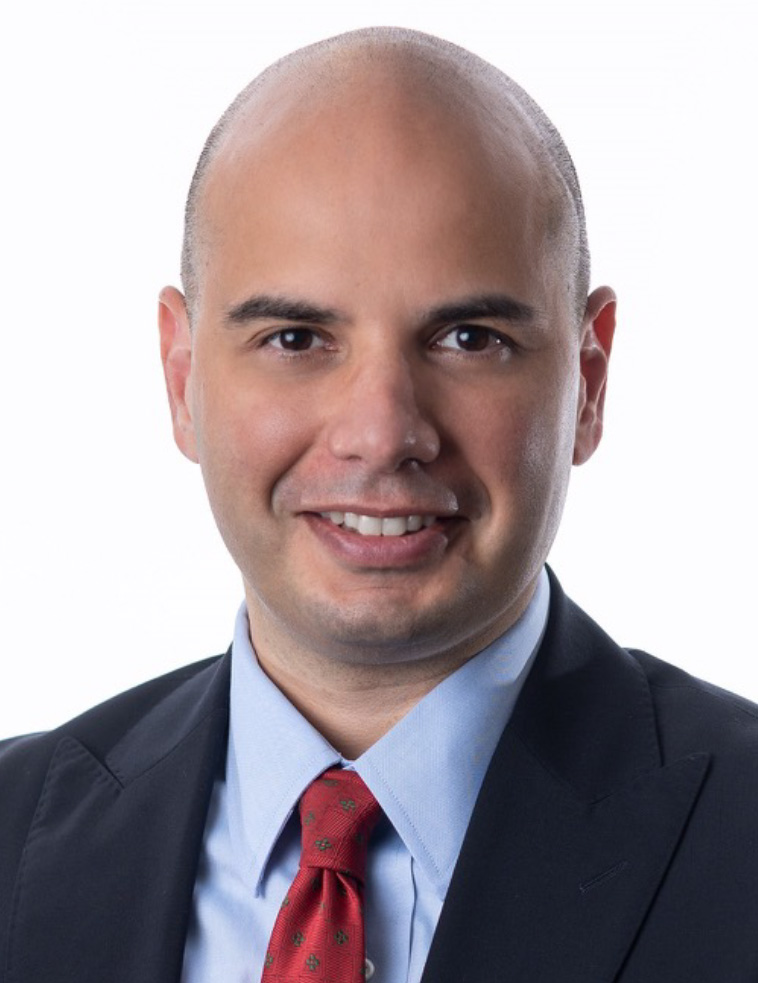
Mehmet Altan, MD
Associate Professor,
Department of Thoracic-Head & Neck Medical Oncology,
Division of Cancer Medicine,
The University of Texas MD Anderson Cancer Center,
Houston, TX
Mehmet Altan is a board-certified medical oncologist and clinical investigator in the Department of Thoracic and Head and Neck Medical Oncology at The University of Texas MD Anderson Cancer Center. His research focuses on immuno-oncology, with specific interests in: (1) clinical trial designs to overcome primary resistance to anti–PD- (L)1 and targeted therapies in non–small cell lung cancer (NSCLC); (2) development of novel targets and therapies for pleural mesothelioma and thymic malignancies; and (3) elucidating the mechanisms and risk factors underlying treatment-related pneumonitis.
He is leading studies at MD Anderson Cancer Center focused on the mechanisms, risk factors, and early detection of immune checkpoint inhibitor–related pneumonitis. His group was the first to identify pre-treatment interstitial lung abnormalities and the MUC5B rs35705950-T polymorphism as potential risk markers for the development of ICI-related pneumonitis.
As a clinical investigator he is serving as PI for the studies below:
- A Phase 3, Randomized, open-label Study of Nivolumab + Relatlimab Fixed- dose Combination with Chemotherapy Versus Pembrolizumab with Chemotherapy as First-line Treatment for Non-squamous Non-small Cell Lung Cancer
- A Randomized, Phase 3, Open-Label Study To Evaluate PF-08046054 versus Docetaxel In Previously-Treated PD-L1 Positive Non-Small-Cell Lung Cancer
- A Phase 2 Study to Investigate Ubamatamab with and without REGN7075 in previously treated Advanced/Metastatic NSCLC
- A Phase Ib/II, multi-site, open-label, two-part trial to evaluate the efficacy, safety, pharmacokinetics, and recommended combination dose of BNT324 with BNT327 in participants with advanced lung cancer
- A Phase I Clinical Study to Evaluate the Safety, Tolerability, and Pharmacokinetic Characteristics of HLX43 (Anti-PD-L1 ADC) in Patients with Advanced/Metastatic Solid Tumors
- A Phase 1 Study of SynKIR-110, Autologous T cells Transduced with Mesothelin KIR-CAR, in Subjects with Mesothelin-Expressing Advanced Ovarian Cancer, Cholangiocarcinoma, or Mesothelioma
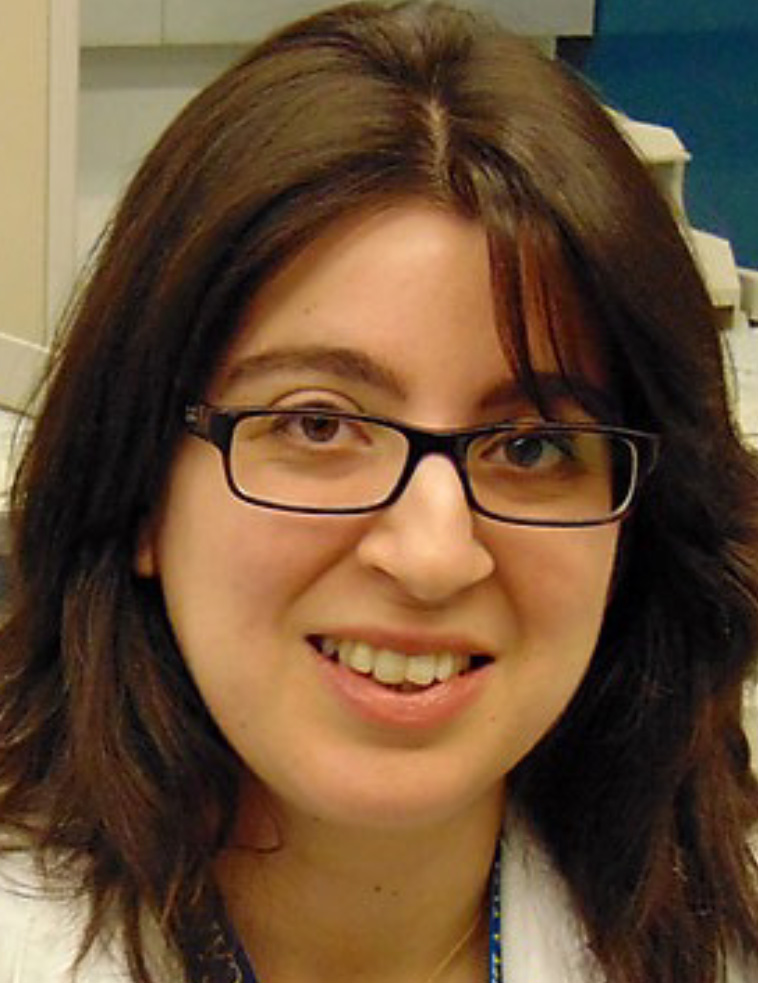
Valsamo Anagnostou, MD, PhD
Professor of Oncology
The Sidney Kimmel Comprehensive Cancer Center
Johns Hopkins University School of Medicine
Baltimore, MD
Dr. Anagnostou is Professor of Oncology in the Sidney Kimmel Cancer Center at Johns Hopkins. She graduated from the Medical School of the National and Kapodistrian University of Athens, Greece and received a PhD in cancer biology from the same institution. Dr. Anagnostou completed her internal medicine residency at Yale-New Haven Hospital and subsequently trained in Medical Oncology at Johns Hopkins. She has established the Molecular Oncology laboratory that seeks to understand the genomic wiring of response and resistance to immunotherapy through integrative genomic, transcriptomic, single-cell and liquid biopsy analyses of tumor and immune evolution.
Dr. Anagnostou is also the Director of the Thoracic Oncology Biorepository at Johns Hopkins. Her group has discovered novel mechanisms of response and resistance to immunotherapy and is also developing liquid biopsy assays that capture the dynamics of response and may more accurately predict emergence of resistance to immunotherapy. Her work has provided the foundation for a molecular response-adaptive clinical trial, where therapeutic decisions are made not based on imaging but based on molecular responses derived from liquid biopsies. Overall, Dr. Anagnostou focuses on studying the temporal and spatial order of the metastatic and immune cascade under the selective pressure of immunotherapy with the goal to translate this knowledge into “next-generation” immuno-oncology clinical trials and change the way oncologists select patients for these therapies.
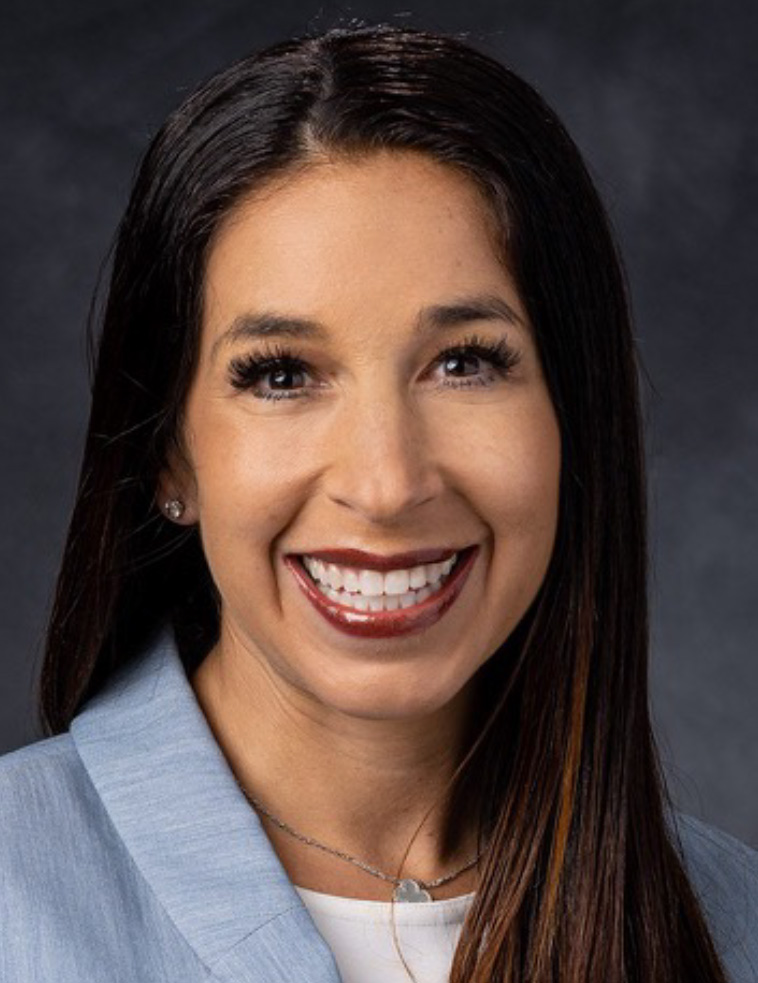
Mara Antonoff, MD, FACS
Associate Professor
Department of Thoracic and Cardiovascular Surgery
Division of Surgery
The University of Texas MD Anderson Cancer Center
Houston, TX
Mara B. Antonoff, MD, FACS, is an Associate Professor in the Department of Thoracic and Cardiovascular Surgery at The University of Texas MD Anderson Cancer Center, where she also serves as Program Director of Education and Deputy Division Head of Education for the Department of Surgery. She completed undergraduate studies in chemistry and biology at the University of Pennsylvania, earned her MD from the University of Minnesota Medical School, completed general surgery residency at the University of Minnesota, and pursued cardiothoracic surgery fellowship training at Washington University in St. Louis.
Dr. Antonoff specializes in thoracic surgical oncology, with clinical and academic interests spanning lung cancer, minimally invasive thoracic surgery, foregut disease, education, mentorship, and workforce development in thoracic surgery. Her recent scholarly work includes publications on women in thoracic surgery, mentoring initiatives, salary negotiation and disparities, digital impact, and patient-reported outcomes after upper gastrointestinal surgery, reflecting her leadership in both surgical oncology and surgical education.
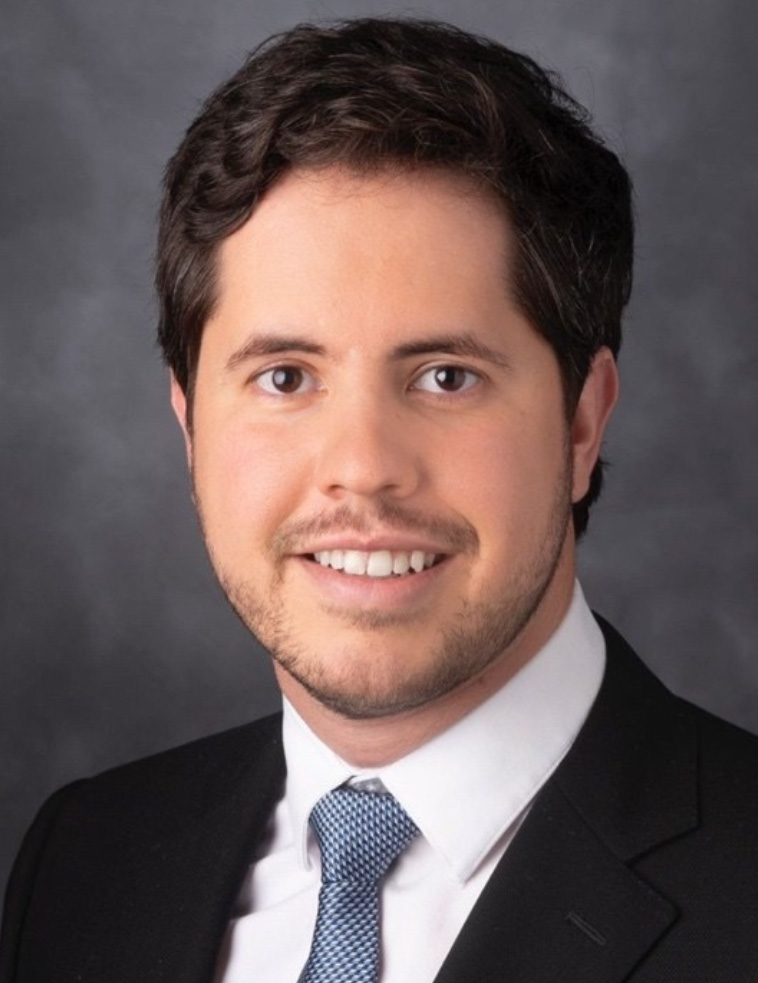
Haniel A. Araujo, MD
Assistant Professor
Department of Thoracic/Head and Neck Medical Oncology
The University of Texas MD Anderson Cancer Center
Houston, TX
Dr. Haniel Araujo is Assistant Professor at the Department of Thoracic/Head and Neck Medical Oncology, the University of Texas MD Anderson Cancer Center. He completed his MD, Residency in Internal Medicine and Fellowship in Medical Oncology from Universidade de São Paulo. He then did Clinical Fellowship in Thoracic and Head and Neck Medical Oncology.
Dr. Araujo has research interest in understanding mechanisms of response and tolerance to active RAS inhibition in KRAS-mutant non-small cell lung cancer.
Jacqueline Aredo, MD, MS
Affiliate and Fellow in Medicine
Division of Hematology
Stanford University School of Medicine
Stanford, CA
Dr. Aredo completed her medical oncology fellowship at the Stanford University School of Medicine and will begin as an Assistant Professor of Medicine at Harvard Medical School and thoracic medical oncologist at the Mass General Brigham Cancer Institute. Her research focuses on optimizing precision therapies for oncogene-driven lung cancers.
Zhaohui (Ann) Liao Arter, MD
Assistant Clinical Professor
Thoracic Oncologist
Division of Hematology/Oncology
University of California Irvine Medical Center
Orange, CA
Dr. Zhaohui (Ann) Liao Arter, MD is a thoracic medical oncologist and Assistant Clinical Professor at the University of California, Irvine Chao Family Comprehensive Cancer Center. She specializes in the care of patients with lung cancer, with a strong focus on precision oncology and early-phase clinical trials. Dr. Arter currently serves as principal investigator on more than 10 clinical trials and as sub-investigator on more than 30 trials.
She has published more than 30 peer-reviewed articles in leading oncology journals, including Journal of Thoracic Oncology, JCO Global Oncology, and Nature Reviews, and has presented her work at major national and international conferences such as ASCO, AACR, ELCC, ESMO Asia, and ASCO Breakthrough. Dr. Arter is actively engaged in professional service and leadership, having served as a session chair and invited speaker at multiple conferences, including the WCLC. She also serves as an ad hoc reviewer for several oncology journals and is a member of the IASLC Early Career Development Committee. Her contributions have been recognized with multiple national and international awards for research excellence, education, and early-career leadership, including the ASCO Merit Award, ESMO Merit Award and IASLC Education Award.
Dhruv Bansal MD, MBA
Director, Immunotherapy, Thoracic and Precision Oncology
Endeavor Health
Chicago, IL
Dr. Dhruv Bansal is a medical oncologist and Director of Immunotherapy, Thoracic and Precision Oncology at Endeavor Health in the Chicago metropolitan area. In this role, he leads clinical programs focused on advancing immunotherapy and precision medicine approaches for patients with thoracic malignancies and other cancers. Dr. Bansal earned his medical degree from Smt. NHL Municipal Medical College in India and has more than two decades of experience in oncology practice and leadership. He is board-certified in hematology and oncology and is actively involved in developing multidisciplinary programs that integrate advanced therapeutics and clinical trials into routine cancer care.
Dr. Bansal’s research and clinical interests center on immunotherapeutics, precision oncology, and biomarker-driven treatment strategies, particularly in lung cancer and other thoracic malignancies. His work focuses on identifying biomarkers that predict response to immunotherapy and translating genomic and molecular discoveries into personalized treatment approaches. Through his leadership at Endeavor Health, he is helping expand clinical trial opportunities and integrate emerging modalities such as cellular therapies, antibody–drug conjugates, bispecific antibodies, and cancer vaccines into clinical practice.
Vivek Behera, MD, PhD
Instructor of Medicine
Department of Hematology/Oncology
The University of Chicago Medicine
Chicago, IL
Dr. Vivek Behera, MD, PhD is an Instructor of Medicine in the Department of Hematology and Oncology at The University of Chicago, where he practices as a physician-scientist specializing in hematology and medical oncology. He earned his MD and PhD in cancer biology from the Perelman School of Medicine at the University of Pennsylvania and subsequently completed his residency and fellowship training through the Physician-Scientist Training Program at the University of Chicago. In his clinical practice, Dr. Behera provides comprehensive care for patients with a range of hematologic and solid tumor malignancies, integrating evidence-based therapies with a focus on individualized patient support and communication.
Dr. Behera’s research centers on translational cancer biology, particularly understanding patient heterogeneity in treatment outcomes using systems biology and single-cell approaches to interrogate tumor microenvironment interactions and responses to immunotherapy. His work leverages cutting-edge computational and biological techniques at the intersection of artificial intelligence and cancer immunology to uncover biomarkers and mechanisms that influence therapeutic efficacy. Dr. Behera has contributed to multiple peer-reviewed publications in high-impact journals and continues to advance research collaborations that bridge bench science with clinical impact.
Allison Betof, MD, PhD, FASCO
Associate Professor of Medicine (Oncology)
Director of the Melanoma Program
Director of Solid Tumor Cellular Therapy
Mark & Mary Stevens Endowed Scholar in Melanoma
Stanford University School of Medicine
Stanford, CA
Dr. Allison Betof is an Associate Professor of Medicine (Oncology), Director of the Melanoma Program, Director of Solid Tumor Cellular Therapy, and Mark & Mary Stevens Endowed Scholar in Melanoma at Stanford University School of Medicine. Dr. Betof completed her MD and PhD at Duke University, Internal Medicine residency at Massachusetts General Hospital (Harvard University) and Medical Oncology Fellowship at Memorial Sloan Kettering Cancer Center. Dr. Betof’s laboratory focuses on understanding resistance to immune checkpoint blockade and cellular therapies for melanoma and other solid tumors. She is the Principal Investigator of clinical trials exploring novel cellular therapy approaches for solid tumors. Dr. Betof has been a pioneer in the use of commercial tumor infiltrating lymphocyte (TIL) therapy. She has received funding and awards for her clinical and translational investigative work from multiple high-profile organizations, including the American Society of Clinical Oncology (ASCO), National Institutes of Health (NIH), Melanoma Research Alliance, and Melanoma Research Foundation.
Matthew Bott, MD
Associate Attending Surgeon
Department of Surgery
Memorial Sloan Kettering Cancer Center
New York, NY
Dr. Matthew Bott, MD, is a thoracic surgeon and Associate Attending Surgeon in the Department of Surgery at Memorial Sloan Kettering Cancer Center (MSK). He earned his medical degree from the University of Virginia after completing undergraduate studies at Duke University, then completed general surgery residency training at NewYork-Presbyterian/Weill Cornell Medical Center, including a dedicated research fellowship at MSK. He went on to complete a cardiothoracic surgery fellowship at Washington University in St. Louis/Barnes-Jewish Hospital, and is board certified in general surgery and cardiothoracic surgery.
Clinically, Dr. Bott focuses on thoracic surgical oncology, treating cancers of the chest such as lung and esophageal cancers, thymic tumors, mesothelioma, and neuroendocrine tumors, with expertise in minimally invasive approaches (including VATS) and advanced endobronchial/diagnostic technologies such as robotic bronchoscopy. His research program spans basic and translational studies, including work on tumor biology and cellular responses to therapy in lung cancer. He also serves as a co-investigator on clinical trials evaluating treatments (including immunotherapy strategies) in earlier-stage disease. Most recently, he was appointed to the Lung Cancer Research Foundation (LCRF) Scientific Advisory Board, reflecting his ongoing contributions to the lung cancer research community.
Timothy F. Burns, MD, PhD
Professor of Medicine
Division of Medical Oncology
The Ohio State University Comprehensive Cancer Center – Arthur G. James Cancer Hospital and
Richard J. Solove Research Institute
Columbus, OH
Dr. Burns is a Professor of Medicine, Division of Medical Oncology at the Ohio State University Comprehensive Cancer Center. Dr. Burns completed his undergraduate work at Cornell University and earned his MD degree and PhD degree in Cell & Molecular Biology at the University of Pennsylvania. He completed his internal medicine residency and hematology-oncology fellowship at Johns Hopkins Hospital, Johns Hopkins School of Medicine. Dr. Burns joined the faculty at the University of Pittsburgh and UPMC in 2012 as Assistant Professor and Medicine and recently joined the faculty at Ohio State in January of 2025. Dr. Burns continues to see lung cancer patients in the clinic however, the majority of his time is spent in the laboratory, where his focus is on characterizing key signaling pathways that are critical for the growth of non-small cell lung cancer and to develop novel targeted therapeutic approaches in EGFR mutant and MET driven mutant non-small cell lung cancer and other oncogene driven lung cancers as well as the development of targeted therapy for brain metastases. To date, Dr. Burns has published over 85 cancer related publications and has received funding from the American Lung Association, the V Foundation, the LUNGevity Foundation, the Sidney Kimmel Foundation for Cancer Research, the Doris Duke Charitable Foundation, the Breath of Hope Foundation and American Cancer Society, the Lung Cancer Research Foundation in addition to his R01 funding from the NCI. In the clinic, Dr. Burns has focused on developing trials to examine novel targeted therapies for oncogene driven lung cancer as well as for brain metastases. In addition, he has served as the principal investigator for multiple industry-sponsored, cooperative-group and investigator-initiated trials including a potentially practice changing trial recently published in JTO demonstrating that a KRAS G12C inhibitor, olomorasib can be safely combined with immunotherapy.
Lauren Averett Byers, MD
Thoracic Section Chief,
Department of Thoracic/Head and Neck Medical Oncology
Division of Cancer Medicine
Professor
Department of Thoracic/Head and Neck Medical Oncology
The University of Texas MD Anderson Cancer Center
Houston, TX
Lauren Averett Byers, MD, MS is a Professor and Thoracic Section Chief in the Department of Thoracic/Head and Neck Medical Oncology at The University of Texas MD Anderson Cancer Center in Houston, Texas. She earned a B.A. in Molecular Biology from Princeton University, her medical degree from Baylor College of Medicine, and an M.S. in patient-based research from The University of Texas Graduate School of Biomedical Sciences. Dr. Byers completed her residency in internal medicine and clinical oncology fellowship training before joining MD Anderson, where she also holds appointments with the Graduate School of Biomedical Sciences. She is an elected member of the American Society for Clinical Investigation and a Fellow of the American Association for the Advancement of Science, and regularly participates in national thoracic oncology leadership committees.
Dr. Byers’ research focuses on high-throughput molecular profiling to identify predictive biomarkers, novel therapeutic targets, and mechanisms of resistance in lung and head and neck cancers, with a particular emphasis on small cell lung cancer (SCLC). Her work has led to the first comprehensive molecular classification of SCLC subtypes and has informed development of new targeted and immune-based therapies currently being evaluated in clinical trials. She has received multiple prestigious awards, including the 2025 Edith and Peter O’Donnell Award in Medicine, and serves as principal investigator on several National Cancer Institute-funded programs and the SCLC Consortium, reflecting her major contributions to translational cancer research.
Jamie E. Chaft, MD
Attending Physician
Thoracic Medical Oncologist
Memorial Sloan Kettering Cancer Center
New York, NY
Dr. Chaft specializes in Medical Oncology, with a special focus on Lung Cancer and is affiliated with Memorial Sloan Kettering Cancer Center. She graduated from NYU School of Medicine in 2006 and completed her training at New York-Presbyterian Hospital/Weill Cornell Medical Center and Memorial Sloan Kettering Cancer Center. She is board certified in Internal Medicine and Medical Oncology. She is the lead investigator on all trials evaluating multimodality treatment for non-small cell lung cancers. Dr. Chaft’s research interest lies in identifying biomarkers to preferentially select a drug treatment regimen that is likely to be more effective against that individual’s lung cancer.
Fionnuala Crowley, MB, BCh, BAO
Assistant Professor of Medicine
Division of Hematology & Medical Oncology
Icahn School of Medicine at Mount Sinai
New York, NY
Fionnuala Crowley MD is an Assistant Professor of Medicine in both the Division of Hematology and Medical Oncology and Brookdale Department of Geriatrics and Palliative Medicine at Icahn School of Medicine at Mount Sinai, New York City. As a thoracic medical oncologist with dual training in palliative medicine, her research spans the continuum of lung cancer care, from immunoprevention strategies in high-risk populations to patient-centered decision-making in advanced disease. Dr. Crowley’s translational research focuses on targeting inflammatory pathways to prevent lung cancer development, including a clinical trial of IL-1 inhibition in patients with high-risk pulmonary nodules. In the metastatic setting, her work examines how patients weigh treatment options and what factors influence their care preferences. Her palliative care research investigates supportive oncology consultation patterns, advance care planning interventions, and the impact of early supportive care on patient outcomes.
Millie Das, MD
Chief, Oncology,
VA Palo Alto Health Care System
Clinical Professor,
Stanford University
Stanford, CA
Dr. Millie Das is Chief of Oncology at the VA Palo Alto Health Care System and Clinical Professor of Medicine (Oncology) at Stanford University, where she also serves as associate program director for the oncology fellowship and as VA site director for fellowship training. She earned her MD from the University of Massachusetts Medical Center in 2004, then completed her internship and residency in internal medicine at Stanford University Hospital, followed by fellowship training in hematology and oncology at Stanford in 2011. Her clinical practice is centered on thoracic oncology, with patient care spanning both Stanford Cancer Center and the Palo Alto VA.
Dr. Das’s research focuses on thoracic malignancies, especially lung cancer, with strong interests in clinical and translational research, precision oncology, and improving cancer care delivery for veterans. She is an active member of the VA National Lung Cancer Working Group and Lung Cancer Precision Oncology Program, serves as a principal investigator for multiple studies at the Palo Alto VA, and co-investigates lung cancer trials at Stanford. Among her recent achievements, she was elected President of the Association of Northern California Oncologists in 2023, and her recent scholarship includes work on precision therapy in small cell lung cancer, barriers to high-quality lung cancer care among veterans, teleoncology in the Veterans Health Administration, and a 2025 report on DLL3 expression and tarlatamab therapy in neuroendocrine-transformed EGFR-mutant lung cancer.
Marc de Perrot, MD, MSc, FRCSC
Professor
Division of Thoracic Surgery
Toronto General Hospital
University Health Network
University of Toronto
Toronto, Ontario Canada
Dr. Marc de Perrot, MD, MSc, FRCSC is a Professor in the Division of Thoracic Surgery at Toronto General Hospital, part of University Health Network, and faculty at the University of Toronto in Toronto, Ontario, Canada. He earned his medical degree and completed his surgical residency at the University of Geneva in Switzerland, followed by a clinical and research fellowship in thoracic surgery and a Master of Science in the Thoracic Surgery Laboratory at the University of Toronto. He further advanced his training with a fellowship in thoracic and vascular surgery in Paris, France, before joining the University of Toronto Division of Thoracic Surgery as a staff surgeon in 2005, later rising to Professor based on his clinical and research contributions. His clinical expertise encompasses thoracic oncology, lung and heart-lung transplantation, pulmonary endarterectomy for chronic thromboembolic pulmonary hypertension, and complex surgical management of tumors at the cervico-thoracic junction.
Dr. de Perrot’s research focuses on translational and clinical innovations in thoracic surgery, including integrating immunotherapy with radiation and surgery for malignant pleural mesothelioma and investigating immune mechanisms in pulmonary vascular diseases. He and colleagues were among the first to implement the Surgery for Mesothelioma After Radiation Therapy (SMART) approach in clinical practice, and his lab develops experimental models to explore novel therapeutic strategies and immune biomarkers. A prolific author with more than 100 peer-reviewed publications and numerous book chapters, Dr. de Perrot also regularly presents at international symposia and serves as a reviewer for leading surgical journals, reflecting his leadership in both surgical care and academic research.
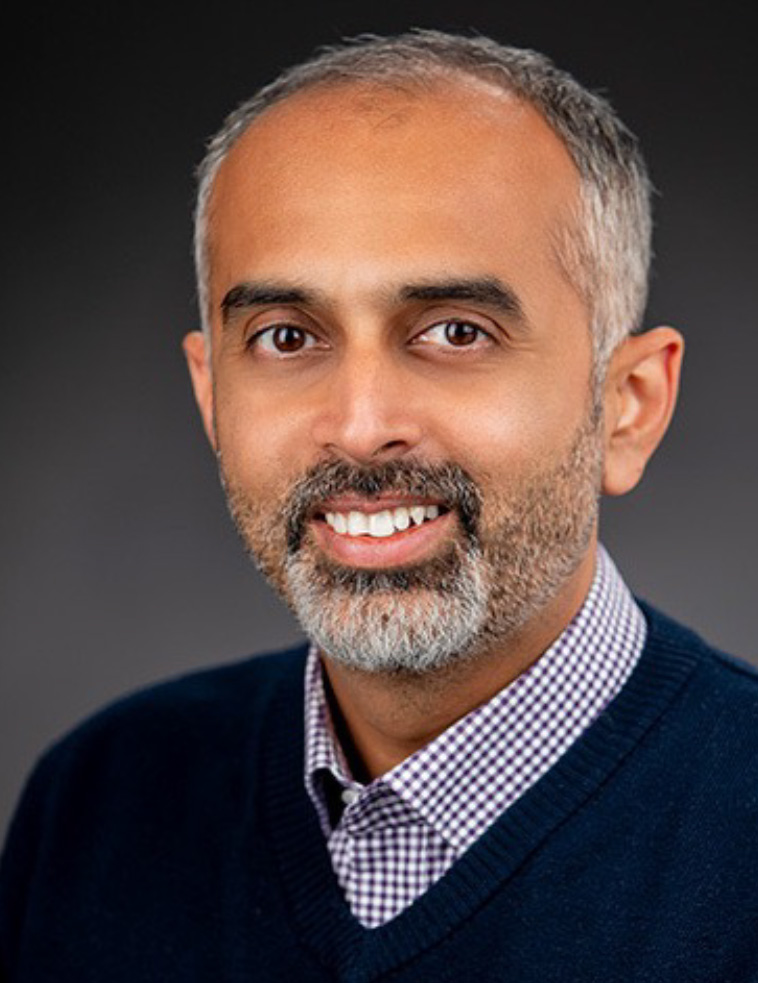
Sid Devarakonda, MD
Director, Thoracic Medical Oncology
Associate Professor
Elson S. Floyd College of Medicine
Washington State University
Swedish Cancer Institute
Seattle, WA
Dr. Sid Devarakonda is Director of Thoracic Medical Oncology at Swedish Cancer Institute in Seattle and serves on the faculty of the Elson S. Floyd College of Medicine at Washington State University. He earned his MBBS from Gandhi Medical College in Secunderabad, India, completed his internal medicine residency at St. Luke’s Hospital in St. Louis, and went on to complete fellowship training in hematology and oncology at Washington University School of Medicine in St. Louis. Before joining Swedish in 2023, he served on the faculty at Washington University, where he advanced from Assistant Professor to Associate Professor of Medicine. He is board certified in internal medicine and medical oncology.
Dr. Devarakonda is a translational thoracic oncologist whose work centers on lung cancer genomics, sequencing-based discovery, and precision medicine for thoracic malignancies, including non-small cell lung cancer, small cell lung cancer, mesothelioma, and thymic cancers. His research has included contributions to large-scale genomic efforts such as TCGA, and his recent scholarly work has included studies in molecularly selected advanced non-small cell lung cancer, lung adenocarcinoma molecular profiling, epigenomic differences in smokers versus never-smokers, and splice-associated cancer variants. He also presented work at the 2025 ASCO Annual Meeting on genomic and transcriptomic features of relapsed small cell lung cancer, reflecting his continued focus on translating molecular insights into better treatment strategies for patients with thoracic cancers.
Lawson Eng, MD, SM, FRCPC
Medical Oncologist
Princess Margaret Cancer Center
Assistant Professor
Department of Medicine
University of Toronto
Toronto, ON, Canada
Dr. Lawson Eng, MD, SM, FRCPC, is a Medical Oncologist at the Princess Margaret Cancer Centre in Toronto and an Assistant Professor in the Department of Medicine at the University of Toronto. He completed his medical degree, internal medicine residency, and medical oncology training at the University of Toronto. Through the Royal College Clinician Investigator Program, he also earned a Master of Science (SM) in Epidemiology from the Harvard T.H. Chan School of Public Health, alongside advanced clinical and research fellowship training at the Princess Margaret Cancer Centre. His clinical practice focuses on the management of lung, gastrointestinal, and head and neck cancers.
Dr. Eng’s research focuses on cancer survivorship and supportive care, with particular emphasis on health behaviors such as tobacco cessation, patient-reported outcomes, and real-world population-level data to improve care delivery for cancer survivors. He has authored numerous peer-reviewed publications and presented extensively at international oncology meetings. His work has received multiple honors, including an ASCO Young Investigator Award and several early-career research awards. Dr. Eng is actively involved in national and international initiatives related to survivorship and tobacco control and serves on committees within organizations such as Cancer Care Ontario, the International Association for the Study of Lung Cancer, and the Multinational Association of Supportive Care in Cancer.
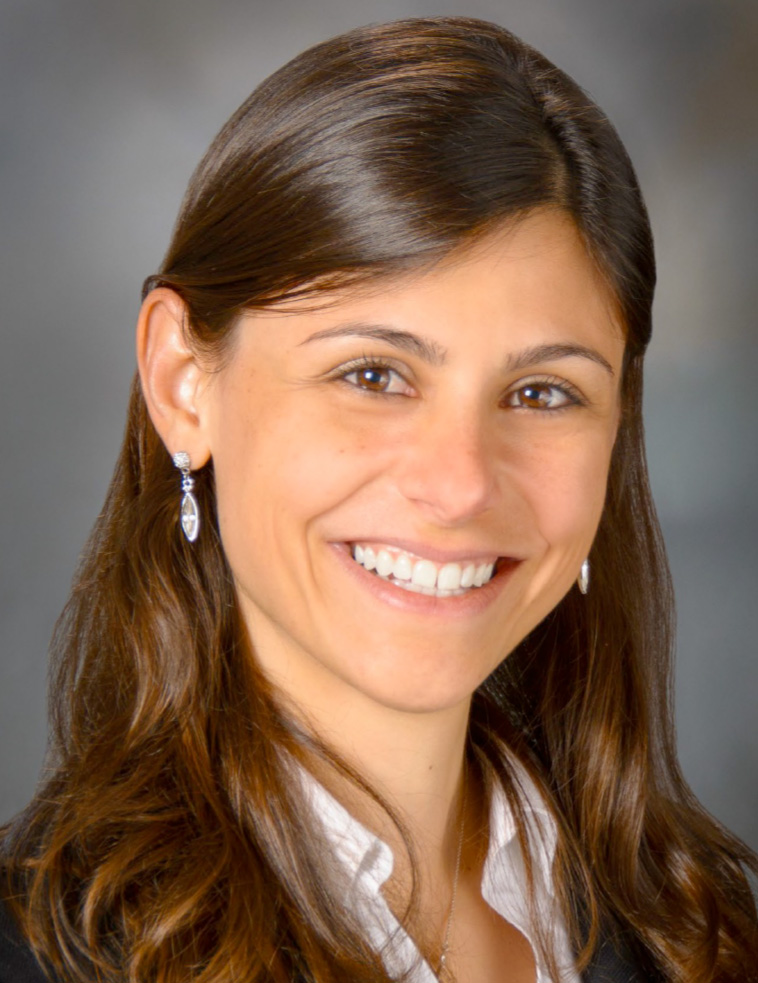
Renata Ferrarotto, MD
Professor
Thoracic Head and Neck Medical Oncology
University of Texas M.D. Anderson Cancer Center
Houston, TX
Dr. Ferrarotto is a Professor and Director of Head and Neck Oncology Clinical Research of Department of Thoracic/Head and Neck Medical. In this role, she dedicates time to patient care as well as to clinical and translational research. Her work focuses on clinical development of new personalized cancer therapies for patients with head and neck malignancies, with a particular interest in salivary gland cancers and other rarer tumor subtypes. She has conducted multiple investigator-initiated trials. Dr. Ferrarotto was a recipient of the MD Anderson Jeffrey Lee Cousins Fellowship in Lung Cancer in 2013, the ASCO Career Development Award in 2016, the Khalifa grant in 2016, a Stiefel grant in 2018, an Institutional Research Grant in 2020, three pilot grants from the Adenoid Cystic Carcinoma Research Foundation in 2000, 2021, and 2022, a DOD Impact Award in 2021, R03 grant in 2022 and a R01 grant in 2024.
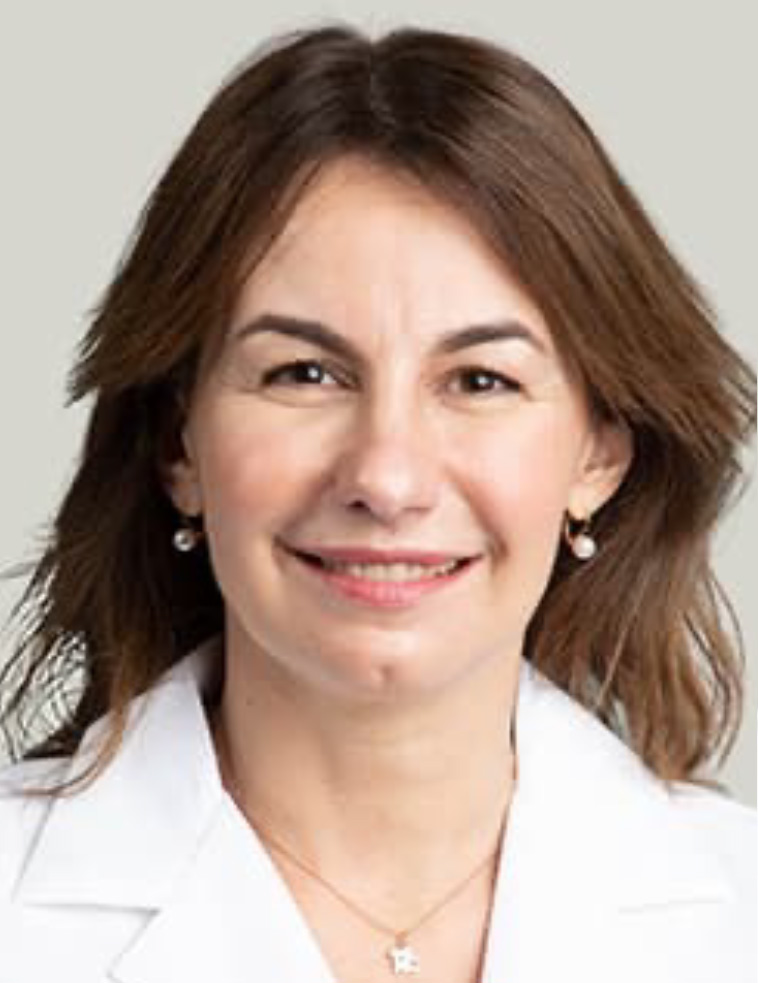
Mary Jo Fidler, MD
Alice Pirie Wirtz Professor of Medical Oncology,
Section Chief of Medical Oncology,
Rush University Medical Center,
Division of Hematology, Oncology, and Cell Therapy,
Chicago, IL
Dr. Fidler is the section chief of medical oncology and professor in the Department of Internal Medicine, Division of Hematology, Oncology and Cell Therapy at Rush Medical College.
Dr. Fidler attended Cornell University in Ithaca, New York for undergraduate work. She received her medical degree from the Albert Einstein College of Medicine in Bronx , New York and then went on to complete her internal medicine residency at the McGaw Medical Center of Northwestern University in Chicago and Fellowship in Hematology/Oncology at Rush University Medical Center.
Dr. Fidler specializes in the treatment of thoracic and head and neck cancers. Her translational research interests focus on mechanisms of chemotherapy and radiotherapy resistance, predictors of response to immune check point inhibitors, and cancer cachexia. She has enrolled patients on several clinical trials testing both immune checkpoint inhibitors and targeted therapies. Dr. Fidler has authored and co- authored several manuscripts, publications and abstracts.
She has served on the Boards of Trustees for the Chicago Medical Society and the Illinois State Medical Society and has chaired various advocacy groups through these organizations.
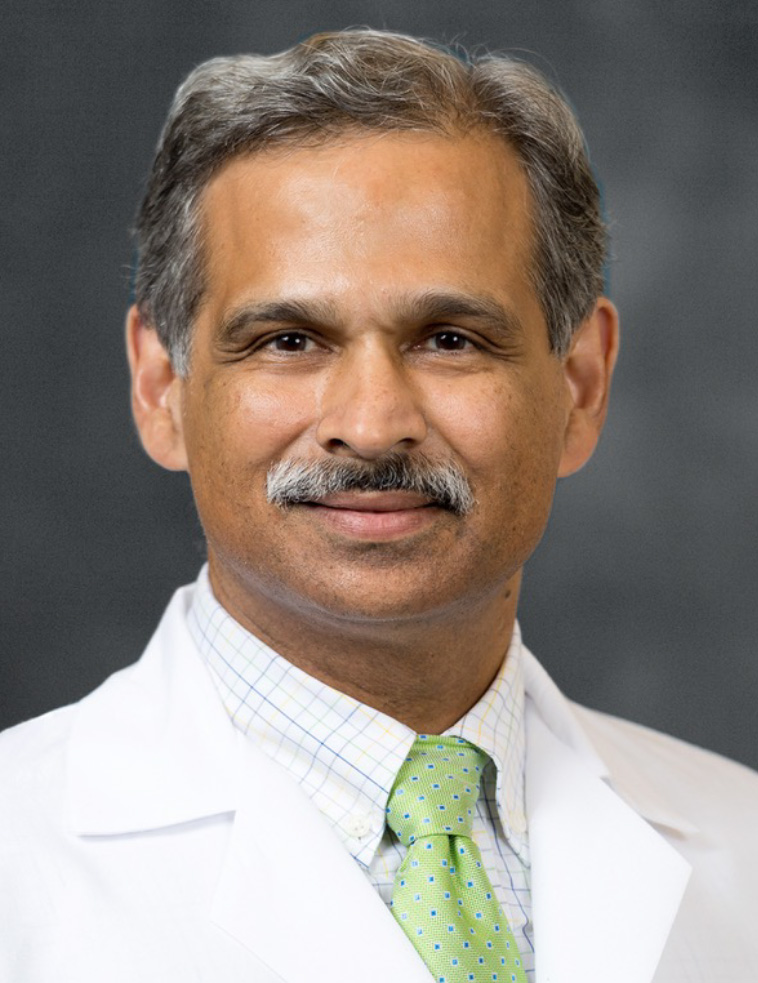
Shirish Madhav Gadgeel, MD
Chief of Division of Hematology & Oncology
Associate Director, Medical Oncology, Henry Ford Cancer Institute
Department of Internal Medicine, Henry Ford Hospital
Detroit, MI
Dr. Gadgeel is the Vice-Chief of Division of Hematology/Oncology for Academics at Henry Ford Health. He is also Professor of Internal Medicine at Michigan State University.
After graduating with his MBBS medical degree from the University of Bombay in Mumbai, India, he completed his Internal Medicine residency in Mumbai. He also completed residency in Internal Medicine as well as his Hematology/Oncology residency at Wayne State University, in Detroit, MI. Following his fellowship, Dr. Gadgeel served as director of the Thoracic Oncology Program and co-leader of Molecular Therapeutics Program at Karmanos Cancer Institute.
Prior to Henry Ford, Dr. Gadgeel was a professor in the Department of Internal Medicine and the Mary Lou Kennedy Research Professor in Thoracic Oncology at the University of Michigan/Michigan Medicine.
He is the principal investigator on numerous clinical trials, and has published extensively in peer-reviewed literature, with over 200 publications.
His clinical research experience spans 20 years. He is the Associate Editor of Clinical Lung Cancer and a reviewer for many journals, including Clinical Cancer Research, Journal of Clinical Oncology, Lancet Oncology, and Journal of Thoracic Oncology. He has served as faculty for the annual meeting of the American Society of Clinical Oncology (ASCO) and as a member of the education committee of ASCO. He is a member of the Communications committee of the International Association of Study of Lung Cancer (IASLC). He was awarded by the National Cancer Institute the Cancer Clinical Investigator Team Leadership Award in 2012.
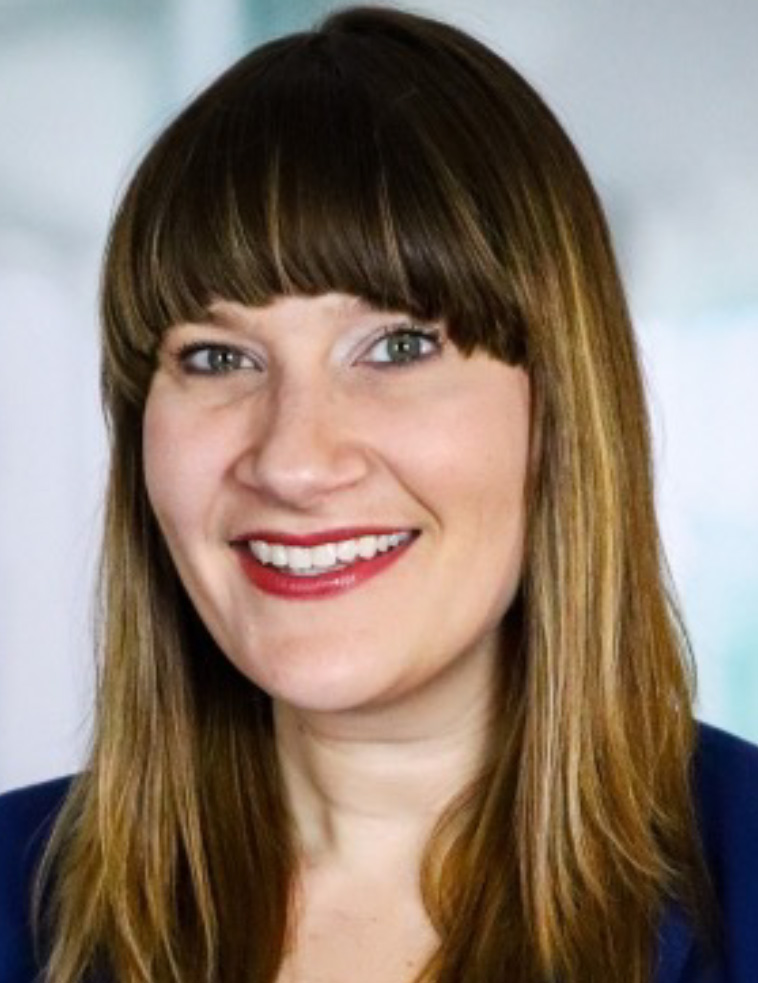
Erin Gillaspie, MD, MPH
Associate Professor
Department of Surgery
Chief of Thoracic Surgery
Creighton University School of Medicine
Ohama, NE
Erin Gillaspie, MD, MPH, FACS is an Associate Professor with tenure in the Department of Surgery at Creighton University School of Medicine and serves as Chief of Thoracic Surgery at Creighton University Medical Center – Bergan Mercy/CHI Health in Omaha, Nebraska. She earned her medical degree from the University of Miami Miller School of Medicine and completed her General Surgery internship and residency at Bassett Medical Center in Cooperstown, NY, followed by a thoracic surgery fellowship at the Mayo Clinic in Rochester, MN. Dr. Gillaspie also holds a Master of Public Health from Vanderbilt University and is board-certified in General and Thoracic Surgery. Prior to joining Creighton, she held faculty roles at Vanderbilt University Medical Center, where she directed thoracic robotics and medical student surgical education.
Dr. Gillaspie’s clinical and research interests focus on the surgical management of lung cancer and other thoracic malignancies, the integration of minimally invasive and robotic techniques, and advancing multidisciplinary peri-operative care. She has authored numerous scientific publications and book chapters and has been instrumental in establishing advanced thoracic surgical programs in Nebraska, including robotic lung cancer resections, complex airway procedures, and comprehensive mesothelioma care. Since her arrival at Creighton, she has expanded access to high-complexity thoracic surgery statewide and continues to lead initiatives in lung cancer screening, surgical innovation, and collaborative clinical research.
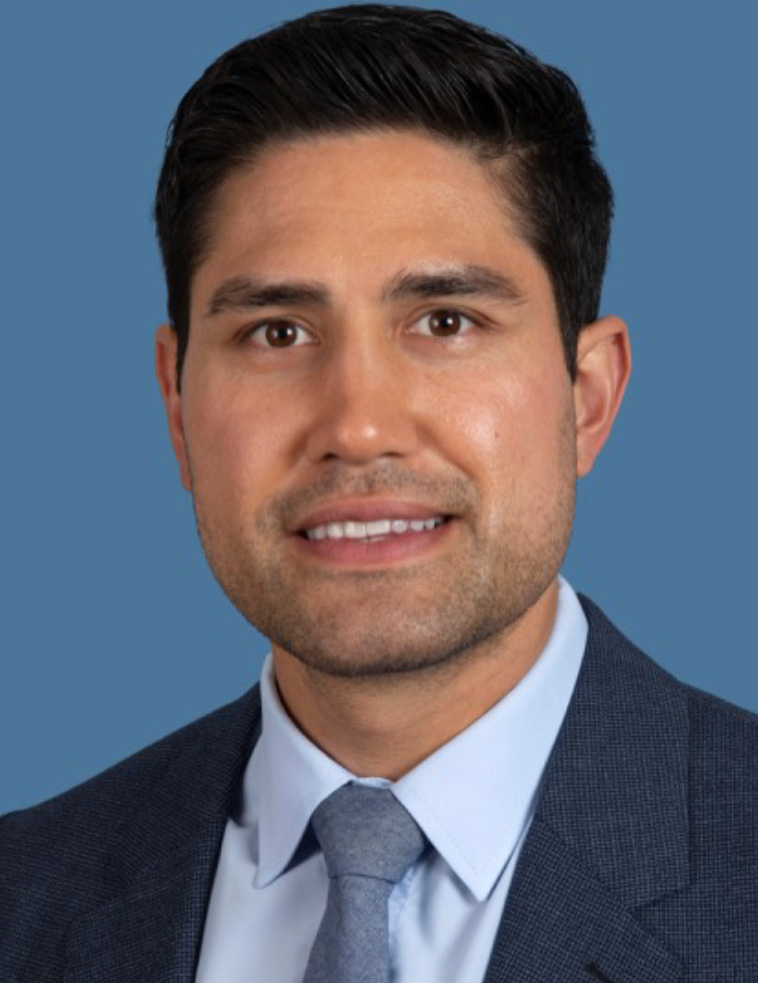
Arjan Gower, MD, MS
Clinical Instructor of Medicine
Division of Hematology/Oncology
Department of Medicine
David Geffen School of Medicine
University of California Los Angeles
Los Angeles, CA
Dr. Gower is a thoracic medical oncologist at the UCLA David Geffen School of Medicine and a member of the Signal Transduction and Therapeutics Program at UCLA Jonsson Comprehensive Cancer Center (JCCC). His academic interests include translational and clinical research in lung cancer and is conducting an investigator-initiated, multi-institution trial evaluating a neoadjuvant approach in resectable lung cancer harboring EGFR ex20ins and uncommon/compound mutations with extensive correlative analysis.

Matthew Gumbleton, MD, PhD
Assistant Professor (Clinical)
Department of Internal Medicine
University of Utah
Salt Lake City , UT
Dr. Matthew Gumbleton, MD, PhD, is a physician-scientist affiliated with the University of Utah, where he is involved in academic medicine and clinical practice. He completed his medical degree along with a PhD, reflecting extensive training in both clinical care and research. His dual-degree background underscores a strong foundation in translational science, integrating laboratory discoveries with patient-centered care.
Dr. Gumbleton’s research interests focus on advancing understanding in his field through translational and clinically relevant investigations. His work emphasizes bridging mechanistic insights with therapeutic applications, contributing to improved patient outcomes. He has been involved in academic initiatives and research efforts that highlight innovation and collaboration within the University of Utah, with a growing portfolio of scholarly contributions and clinical impact.
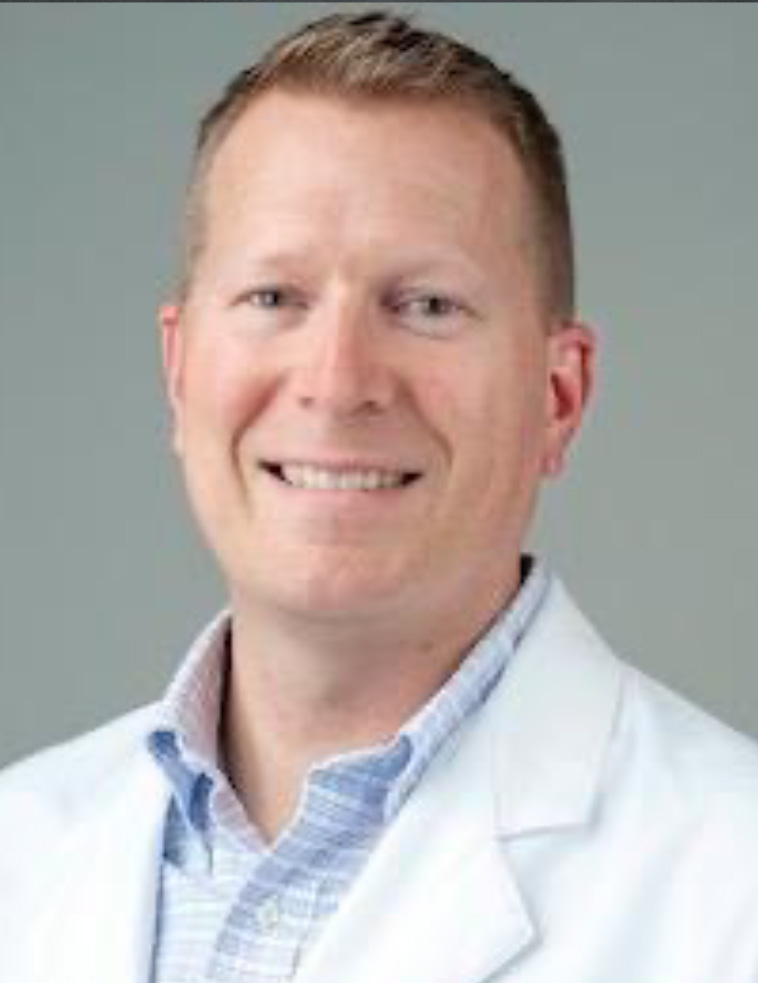
Richard D. Hall, MD, MS
Associate Professor of Medicine
Thoracic Medical Oncology
Department of Medicine, Division of Hematology / Oncology
UVA Health
Charlottesville, VA
Dr. Richard D. Hall, MD, MS, is an Associate Professor of Medicine in the Division of Hematology & Oncology at the University of Virginia School of Medicine and a faculty physician with UVA Health’s Emily Couric Clinical Cancer Center in Charlottesville, VA. He earned his MD from the University of Texas Southwestern Medical Center in 2007 and an MS in Clinical & Translational Research from the University of South Florida. Dr. Hall completed his Internal Medicine residency (including Chief Residency) at UVA and a Hematology–Oncology fellowship at the H. Lee Moffitt Cancer Center and Research Institute.
Dr. Hall’s research focuses on clinical trial design and the development of novel therapeutics and immunotherapy for thoracic malignancies, including non–small cell and small cell lung cancer, thymoma, and mesothelioma. He serves as principal investigator on multiple early-phase lung cancer trials at UVA Cancer Center and has authored numerous peer-reviewed publications in leading oncology journals. Notably, Dr. Hall led the UVA Cancer Center team to become the first in Virginia to offer a newly approved immunotherapy for small cell lung cancer, and he is regularly invited to present his work at national conferences such as ASCO and SITC.
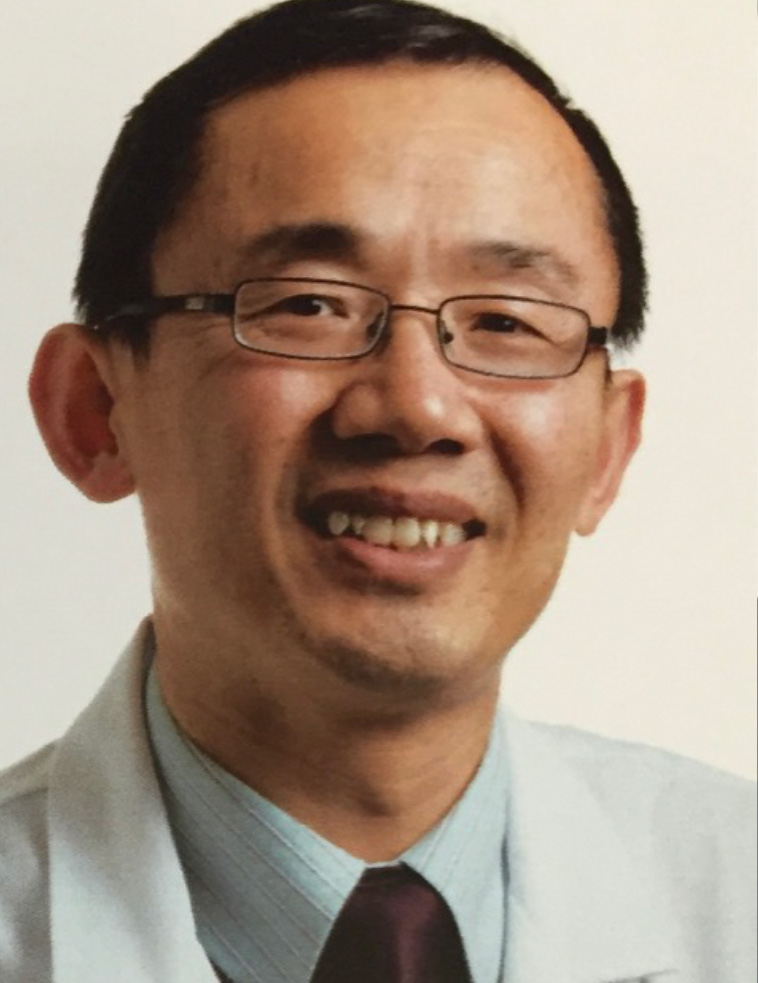
Zhonglin Hao, MD, PhD
Professor of Medicine, Cancer Biology
Donna and William Shively Professor of Translational Clinical Oncology
Co-Leader, Thoracic Oncology Program
Division of Medical Oncology
Department of Medicine and Markey Cancer Center,
College of Medicine,
University of Kentucky,
Lexington, KY
Dr. Hao got his medical degree from Inner Mongolia Medical College in Northern China. He subsequently pursued his passion in research and earned a PhD in molecular biology and biochemistry in the University of Tokyo. Following a productive postdoctoral period in the University of Virginia, he trained in internal medicine in Mercer University School of Medicine and in Hematology and Oncology in Emory’s Winship Cancer Institute. He is currently co-leader of thoracic medical oncology program in Markey Cancer Center, Professor of Medicine and Cancer Biology at the University of Kentucky’s Markey Cancer Center. He is also medical director of the Markey Clinical Research Organization and the founding medical director of Markey’s Multisite Research Operations and Donna and William Shively Endowed Professor in Clinical Translational Oncology. His research interests include molecularly targeted therapy and immunotherapy in lung cancer. He coauthored ~ 60 peer reviewed scientific papers and is PI of multiple Investigator Initiated Clinical Trials and PI of the first in human CART cell and Tri-specific engager in small cell lung cancer.
Learning objectives:
There is unleashed power of our immune system to tap for cure for locally advanced NSCLC
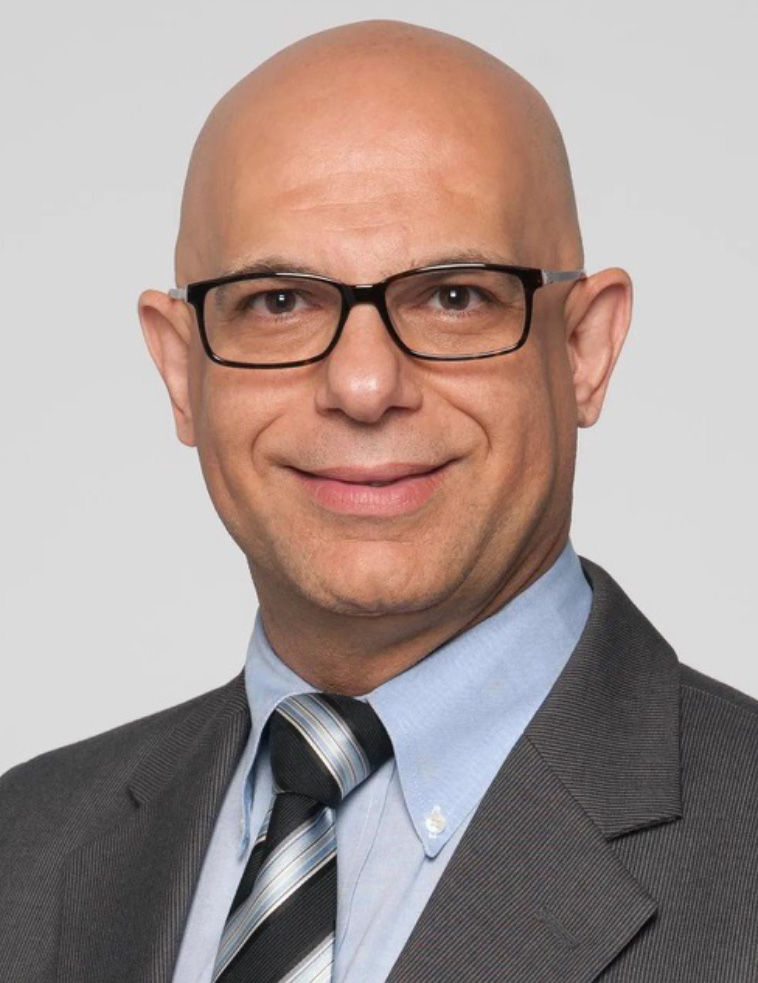
Khaled Hassan, MD
Medical Oncologist
Cleveland Clinic Taussig Cancer Institute
Cleveland, OH
Dr. Khaled Hassan, MD is a physician-scientist and medical oncologist at the Cleveland Clinic Taussig Cancer Institute and a research faculty member in the Lerner Research Institute, where he focuses on thoracic malignancies, particularly lung cancer. He earned his medical degree from Kursk State Medical Institute and completed his internal medicine residency at Good Samaritan Hospital of Maryland followed by a fellowship in hematology/medical oncology at the University of Michigan. Prior to his appointment at Cleveland Clinic in 2019, Dr. Hassan held academic positions including assistant professorship at the University of Michigan, and he brings more than two decades of clinical and research expertise to his current roles.
Dr. Hassan’s research is centered on understanding the development, progression, and treatment resistance mechanisms of lung cancer, with a laboratory emphasis on cancer stem cell biology, Notch signaling, and resistance to targeted therapies such as EGFR tyrosine kinase inhibitors. His work has elucidated pathways of acquired resistance and is actively translating these findings into novel therapeutic strategies and early-phase clinical approaches. In addition to his translational research, he advocates for precision molecular profiling to guide tailored lung cancer treatment and has an extensive publication record in the field.
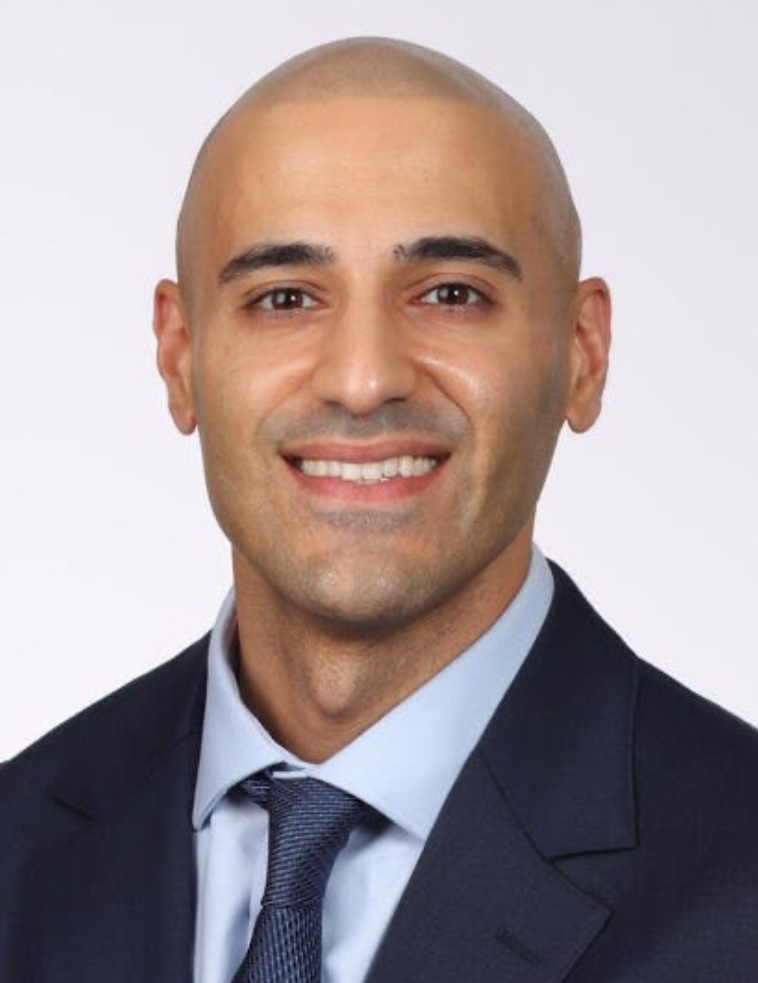
Antonious Z. Hazim, MD
Assistant Professor of Medicine
Assistant Professor of Oncology
Mayo Clinic College of Medicine and Science
Senior Associate Consultant
Division of Hematology and Medical Oncology
Department of Internal Medicine
Mayo Clinic
Phoenix, AZ
Antonious Hazim, M.D., is a thoracic medical oncologist at Mayo Clinic. He received his medical degree from Oregon Health & Science University and completed both his internal medicine residency and hematology and medical oncology fellowship at Mayo Clinic in Rochester, Minnesota. Dr. Hazim specializes in thoracic malignancies, including lung cancer, mesothelioma, and thymic tumors. His research interests include solid tumor cellular therapies — such as CAR-T cell therapy — and the development of phase 1 clinical trials.
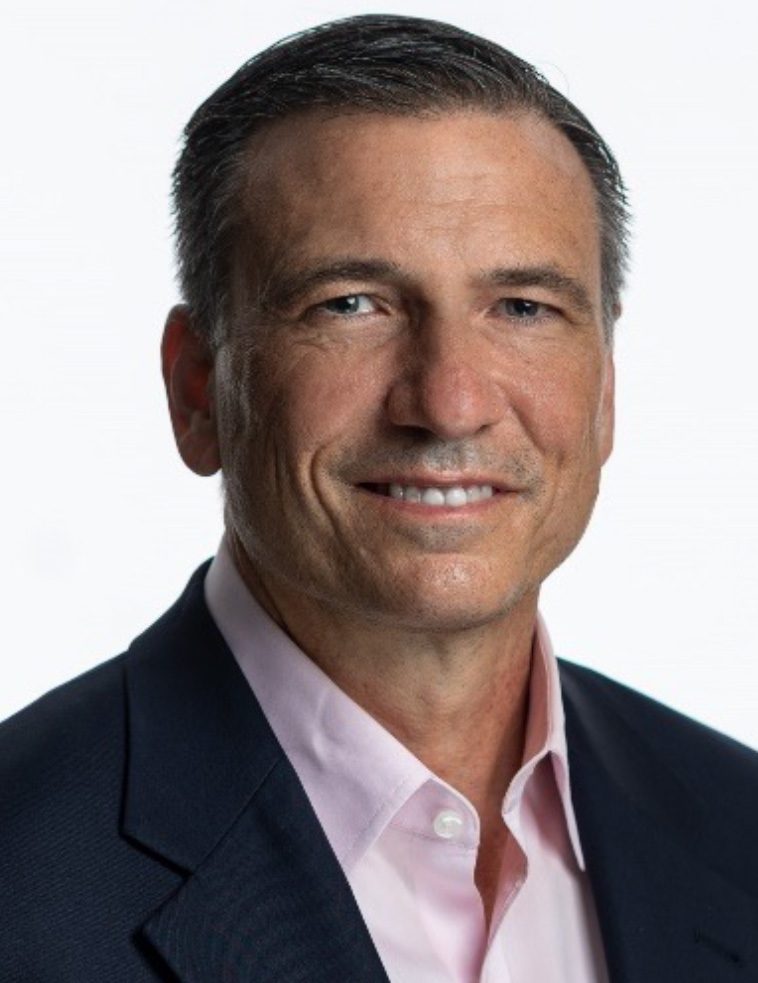
John Heymach, MD, PhD
Chair; Professor
David Bruton, Jr Chair in Cancer Research
Department of Thoracic/Head and Neck Medical Oncology
Division of Cancer Medicine
The University of Texas MD Anderson Cancer Center,
Houston, TX
Dr. Heymach is the Chair of Thoracic/Head and Neck Medical Oncology at MD Anderson Cancer Center. He holds the David Bruton Endowed Chair in Cancer Research. He received his undergraduate degree from Harvard University and his MD/PhD from Stanford. He completed his Internship and Residency at Brigham and Women’s Hospital and his fellowship in Medical Oncology from the Dana Farber/Mass General Brigham program. As a physician-scientist, Dr. Heymach’s research focuses on investigating mechanisms of therapeutic resistance to targeted agents, understanding the regulation of angiogenesis in lung cancer, and the development of biomarkers for targeted agents and immunotherapy. His research has led to new therapeutic approaches for KRAS mutant lung cancer, small cell lung cancer (SCLC), EGFR mutant non-small cell lung cancer (NSCLC), adenoid cystic carcinoma, and oligometastatic NSCLC, many of which are now considered standard of care regimens or undergoing clinical testing. He serves as PI on 4 R01 awards investigating molecular subsets of lung cancer, and on an U01 focused on SCLC. He serves as the MDACC PI for the SU2C-ACS Lung Cancer Dream Team targeting KRAS mutant lung cancers, as the leader of the Lung CCSG Program, and the co-leader of the Lung Cancer Moon Shot. He is also the co-PI and project leader of the Lung SPORE. As a clinical investigator, he leads a number of biomarker-directed clinical trials using targeted and immunotherapy agents in lung cancer. He has directly mentored numerous fellows, including physician-scientists, and serves as chair of the NCI Molecular Cancer Therapeutics-1 study section.
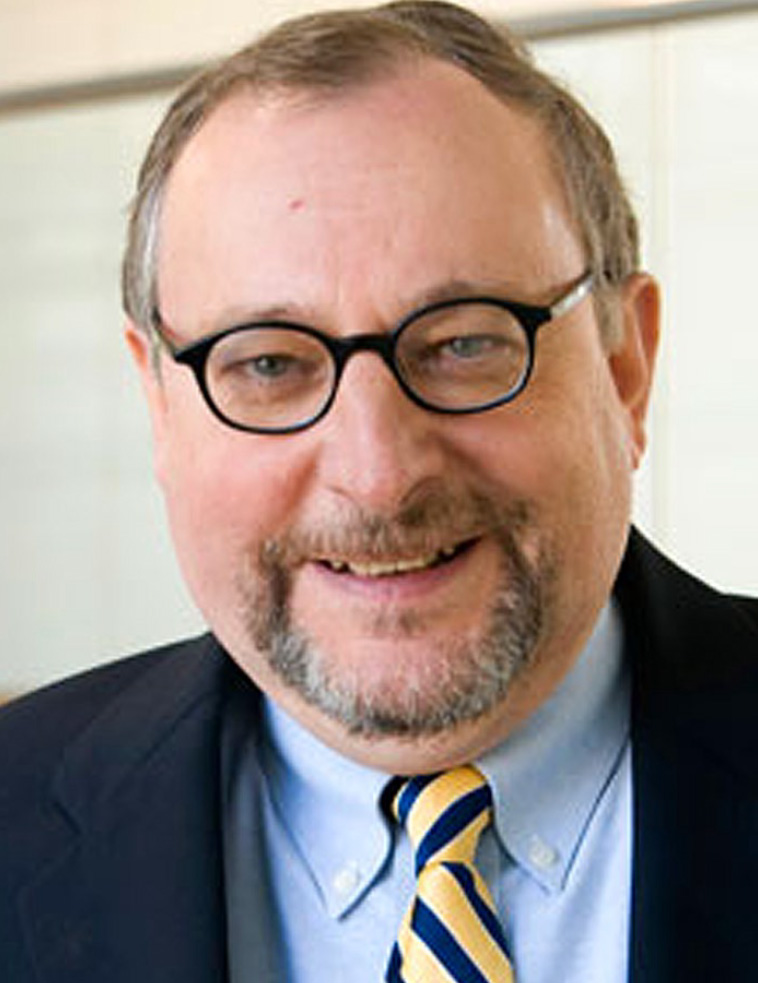
Fred R. Hirsch MD, PhD, FASCO
Executive Director, Center for Thoracic Oncology
Professor in Medicine and Pathology
Ning Zhao Chair Professor in Lung Cancer
Icahn School of Medicine
Associate Director, Tisch Cancer Institute,
Mount Sinai Health System
New York, NY
Fred R. Hirsch, MD, PhD is Executive Director of the Center for Thoracic Oncology and Co-Director of the Center of Excellence for Thoracic Oncology at The Tisch Cancer Institute within the Icahn School of Medicine at Mount Sinai in New York. He holds the Ning Zhao Chair Professor in Lung Cancer and serves as Associate Director of Biomarker Discovery for the institute. Dr. Hirsch earned his MD, PhD, and BA from the University of Copenhagen and completed his medical and research training before embarking on an academic career that included 18 years as Professor of Medicine and Pathology at the University of Colorado School of Medicine. He also served for five years as Chief Executive Officer of the International Association for the Study of Lung Cancer (IASLC), a global organization advancing research and care in thoracic malignancies.
Dr. Hirsch’s research career spans more than 25 years with a focus on lung cancer translational research, targeted therapies, early detection, biomarker discovery, and personalized treatment strategies. His work has identified and validated key prognostic markers and biomarkers that guide tailored therapies, and he has authored hundreds of peer-reviewed publications. Dr. Hirsch has received numerous honors including the IASLC Mary Matthews Award for Translational Research, Japanese Lung Cancer Society Merit Award, Addario Foundation Lecture Award, and Wuan Ki Hong Lectureship Award in recognition of his contributions to thoracic oncology research. At Mount Sinai, he leads multidisciplinary initiatives to improve early detection, therapeutic innovation, and biomarker-driven clinical care for patients with lung cancer and related diseases.
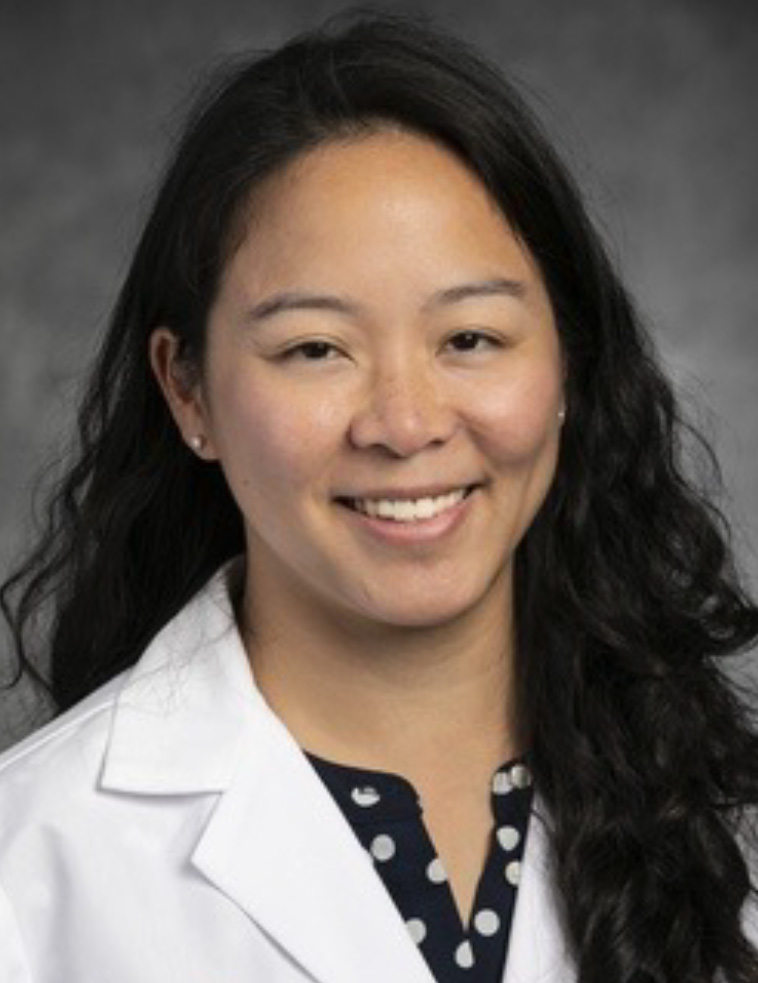
Melinda Hsu, MD
Assistant Professor
Case Western Reserve University
Thoracic Medical Oncologist
University HospitalsSeidman Cancer Center
Cleveland, OH
Melinda Hsu, MD is a thoracic medical oncologist at University Hospitals Seidman Cancer Center and an Assistant Professor of Medicine at Case Western Reserve University in Cleveland, Ohio, where she specializes in the care of patients with lung cancer, mesothelioma, and other thoracic malignancies. She earned her medical degree from the University of Cincinnati College of Medicine and completed internal medicine residency training at Indiana University Hospital, followed by a fellowship in medical oncology at Johns Hopkins Hospital before joining the faculty at University Hospitals. Dr. Hsu is board-certified in internal medicine and medical oncology and practices across multiple UH sites including Avon and Cleveland.
Dr. Hsu’s research centers on the survivorship experience and long-term outcomes of patients with lung cancer, with a particular emphasis on the psychosocial, cognitive, physical, and medical challenges faced by long-term survivors in the era of targeted therapy and immunotherapy. She has conducted qualitative and survey-based studies to identify survivors’ ongoing needs and is expanding this work to inform evidence-based survivorship care interventions that address disparities in underserved populations. Dr. Hsu is an active contributor to scientific literature on survivorship, quality of life, and toxicity management in thoracic oncology.
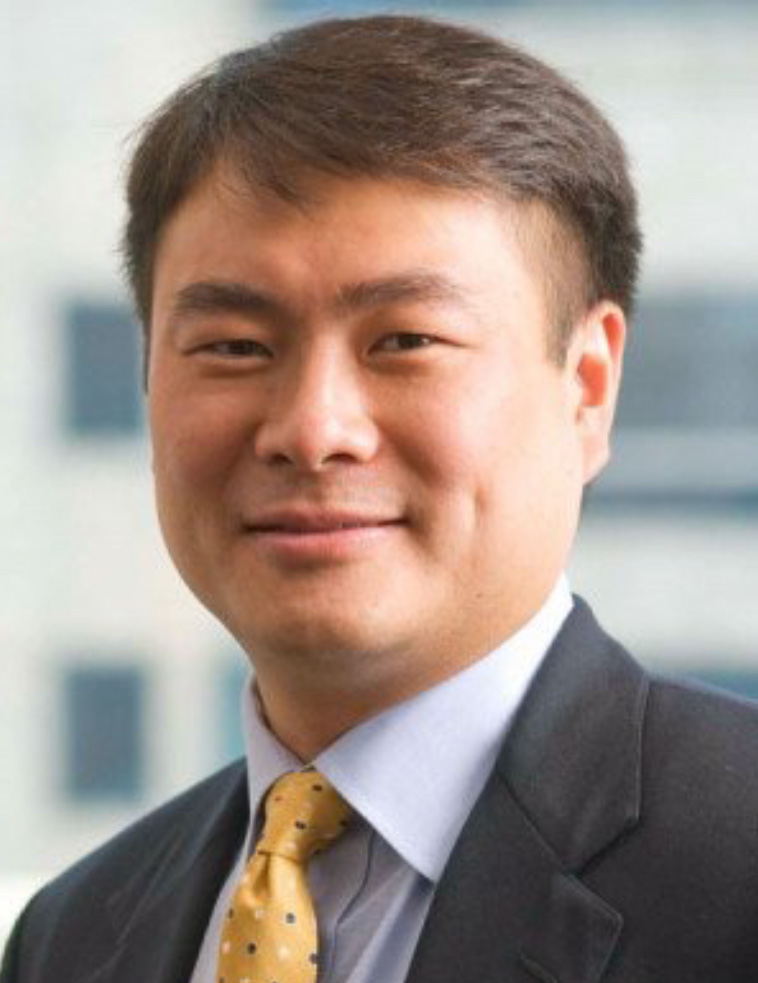
James Huang, MD
Thoracic Service
Department of Surgery
Memorial Sloan Kettering Cancer Center
New York, NY
Dr. James Huang is a thoracic surgeon and Attending Surgeon in the Thoracic Service at Memorial Sloan Kettering Cancer Center, where he also serves as Program Director for Thoracic Surgery fellowship training and Associate Vice Chair of Education in the Department of Surgery. He earned his MD from Columbia University College of Physicians and Surgeons and completed rigorous surgical training with residencies in general and cardiothoracic surgery at institutions including Brigham and Women’s Hospital and NewYork-Presbyterian/Memorial Sloan Kettering, followed by a thoracic surgery fellowship at MSK. His clinical practice is based in New York and Commack, NY, providing state-of-the-art care for complex thoracic malignancies.
Dr. Huang’s clinical focus encompasses surgical management of lung cancer, esophageal cancer, thymoma and thymic carcinoma, mesothelioma, and other mediastinal tumors, employing minimally invasive and advanced surgical techniques. He is principal investigator on prospective trials including active surveillance strategies for ground-glass lung lesions and co-investigator on randomized studies in EGFR-mutant metastatic lung cancer, and contributes to international efforts to refine lung cancer staging. In addition to his clinical research and surgical innovation, Dr. Huang is committed to surgical education and mentorship, shaping future leaders in thoracic oncology through his roles in training programs and national committees on surgical education.
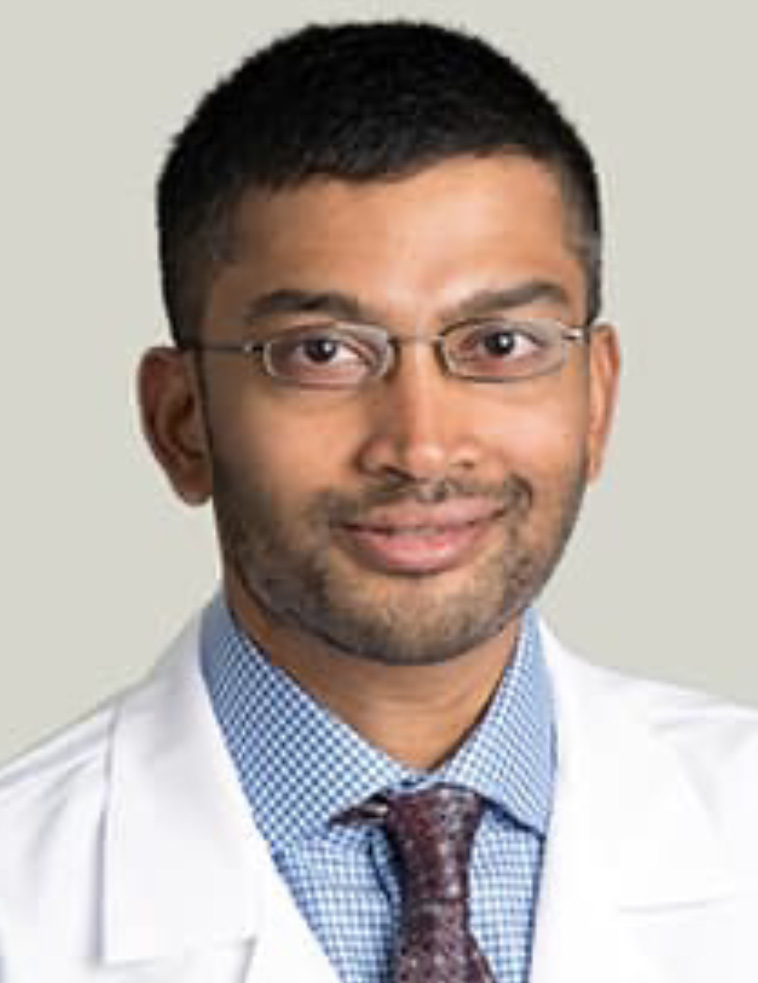
Aditya Juloori, MD
Assistant Professor of Radiation and Cellular Oncology
The University of Chicago
Chicago, IL
Dr. Aditya Juloori, MD is an Assistant Professor in the Department of Radiation and Cellular Oncology at the University of Chicago, where he practices as a radiation oncologist specializing in cutting-edge cancer care. He earned his medical degree from Baylor College of Medicine and completed his residency in Radiation Oncology, with further clinical training at the Cleveland Clinic before joining the faculty at UChicago. In his clinical role, Dr. Juloori treats a broad range of malignancies with advanced radiation techniques, including stereotactic radiosurgery (SRS) and other targeted modalities designed to maximize tumor control while minimizing harm to healthy tissue.
Dr. Juloori’s research focuses on integrating radiotherapy with systemic therapies to improve outcomes across lung, liver, head and neck, and other cancers. His scholarly work includes investigations into the synergistic effects of ablative radiotherapy and immunotherapy, clinical trial design, and translational studies on treatment response and adaptation, with publications in high-impact journals such as Clinical Cancer Research, JAMA Oncology, and the International Journal of Radiation Oncology, Biology, and Physics.
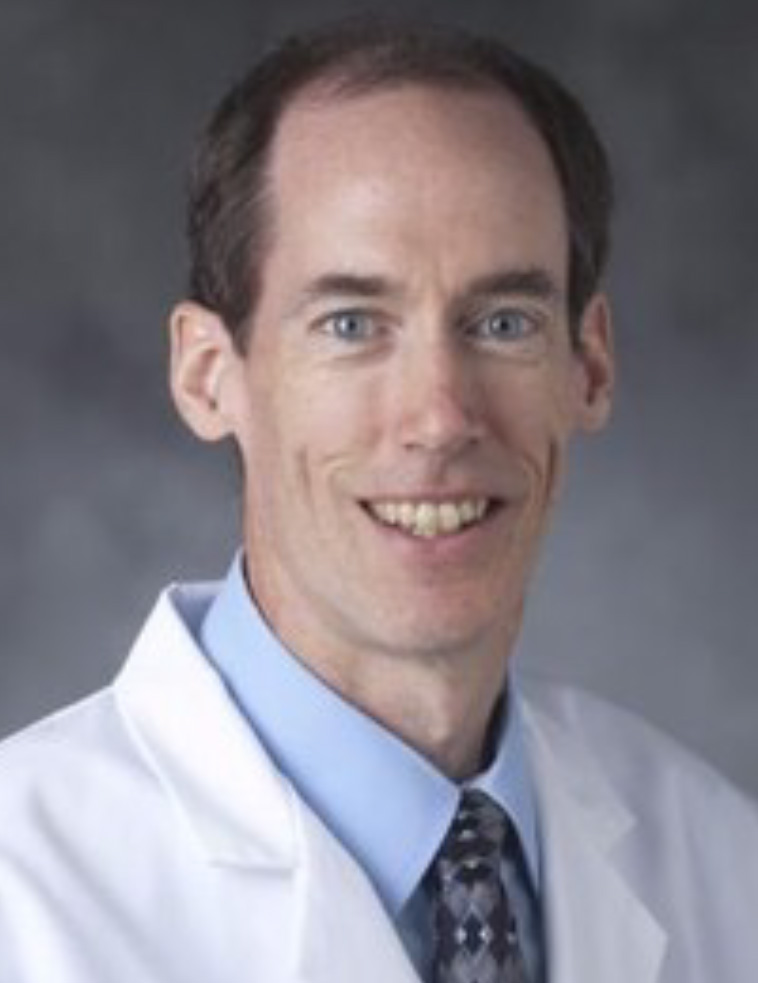
Michael J. Kelley, MD
Professor of Medicine
Member of the Duke Cancer Institute
Duke University
Durham, NC
Dr. Michael J. Kelley, MD, is a Professor of Medicine in the Division of Medical Oncology at Duke University School of Medicine and Chief of Hematology–Oncology at the Durham VA Medical Center. He also serves as Executive Director of the VA’s National Oncology Program, where he shapes policy and program development for cancer care across the U.S. . He earned his MD from the University of Michigan, Ann Arbor in 1985 and completed his Internal Medicine residency at Duke University from 1985–1988. Dr. Kelley is board-certified in Internal Medicine and Medical Oncology.
Dr. Kelley’s leadership has been recognized nationally through his appointment as National Program Director for Oncology at the VA. His research is devoted to the biology of lung cancer and improving patient outcomes through translational and clinical investigations. Current projects include Department of Defense–funded studies on targeting the tumor microenvironment to enhance immunotherapy for small-cell lung cancer and on modulating MHC class I expression to improve immunotherapy responses in non–small cell lung cancer. . He has authored over 220 peer-reviewed articles and holds numerous NIH and DOD grants.
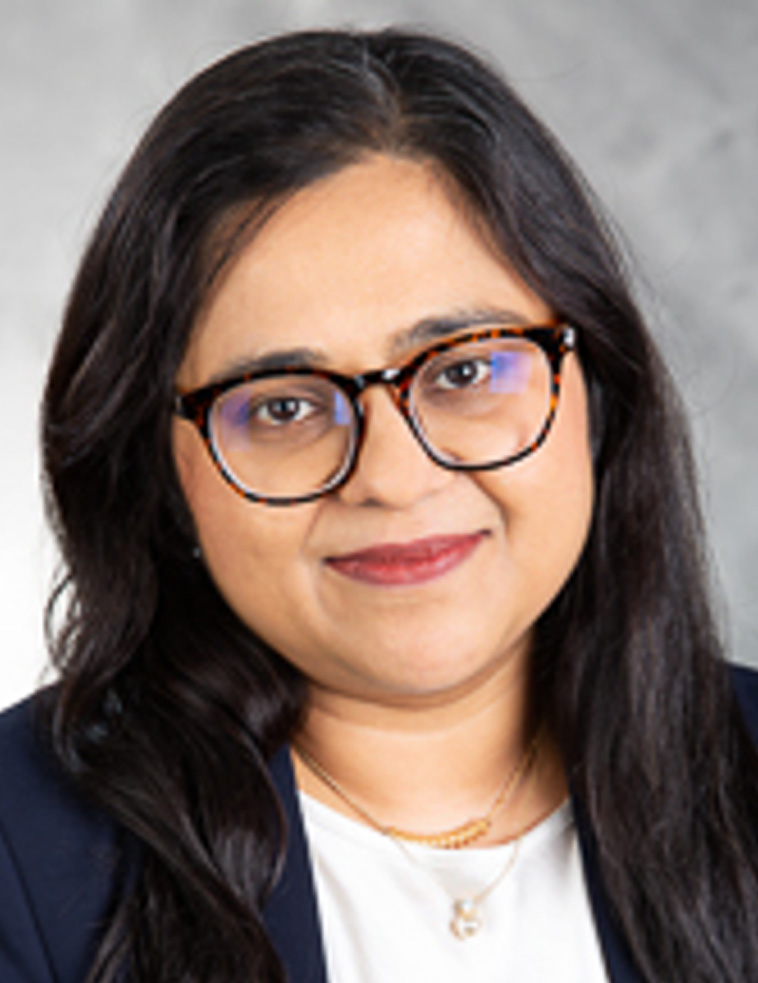
Hina Khan, MD
Associate Professor of Medicine
Thoracic Medical Oncologist
Brown University,
Providence, RI
Hina Khan, MD is an Assistant Professor of Medicine (Clinician Educator) in the Division of Hematology and Oncology at The Warren Alpert Medical School of Brown University and serves as Director of the Thoracic Multidisciplinary Clinic and the Multidisciplinary Lung Nodule Management Program within the Brown University Health Cancer Institute at The Miriam Hospital in Providence, Rhode Island. She is a board-certified medical oncologist specializing in thoracic cancers and practices at Rhode Island, The Miriam, and Newport hospitals. Dr. Khan earned her medical degree from Jawaharlal Nehru Medical College in India, completed her residency in internal medicine at Mount Sinai School of Medicine in New York, and pursued her hematology/oncology fellowship at Albert Einstein College of Medicine–Montefiore Medical Center in the Bronx.
Dr. Khan’s research focuses on improving outcomes in lung cancer through translational and clinical investigation, including enhancing responses to immune checkpoint inhibitors, identifying biomarkers of immunotherapy response, and addressing disparities in lung cancer screening and care. She has led multiple University-, pharmaceutical-, and NIH-funded projects as principal investigator and serves as site investigator for major registries such as CCC-19 and TERAVOLT, studying COVID-19 impacts in patients with thoracic malignancies. Dr. Khan’s work also encompasses community outreach to increase equitable access to lung cancer screening and she has been recognized with awards such as the Robert A. Winn Career Development Award for her research on underserved populations.
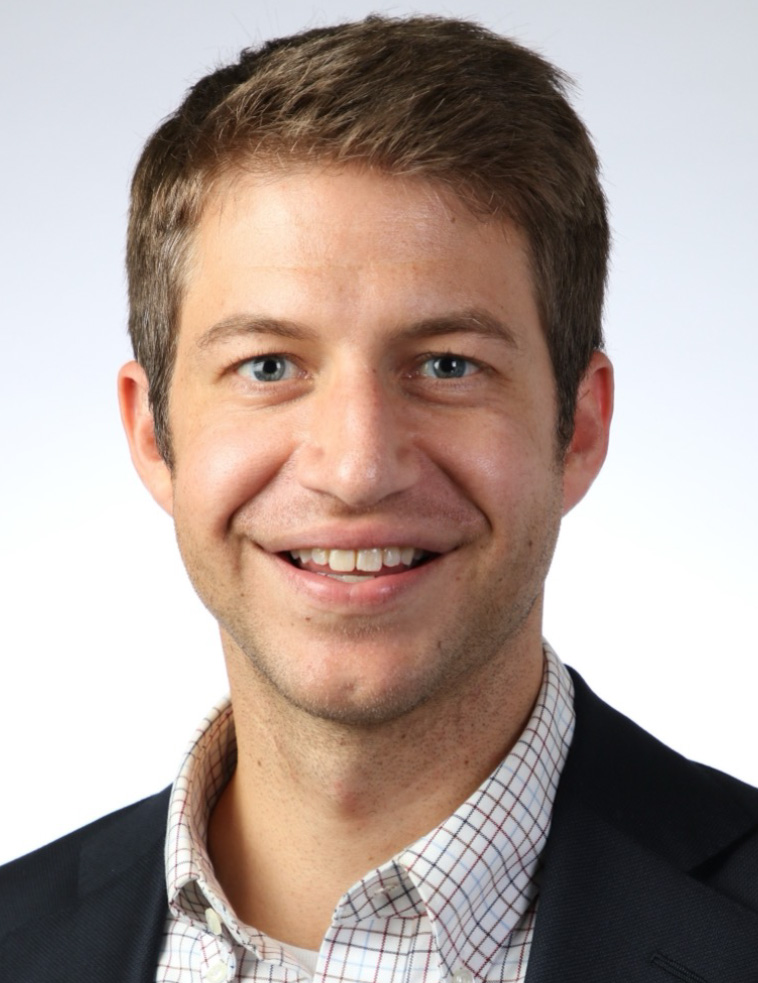
Brendan Knapp, MD
Assistant Professor of Medicine
Division of Oncology
Washington University School of Medicine
St. Louis, MO
Brendan Knapp is a clinical investigator interested in the management of patients with lung and head and neck malignancies. He obtained his bachelor’s degree of science from Purdue University in 2015 and his MD from Indiana University School of Medicine in 2019. He completed his residency in Internal Medicine at Washington University School of Medicine in 2022 and remained at WashU for his fellowship in hematology and oncology, finishing in 2025. Dr. Knapp’s research interests include developing investigator-initiated trials for patients with relapsed lung and head/neck cancers and using population-level data sets for research of these malignancies. He is also interested in identifying predictors of the development of bone metastases in lung cancer and in optimizing the management of patients with bone metastases.
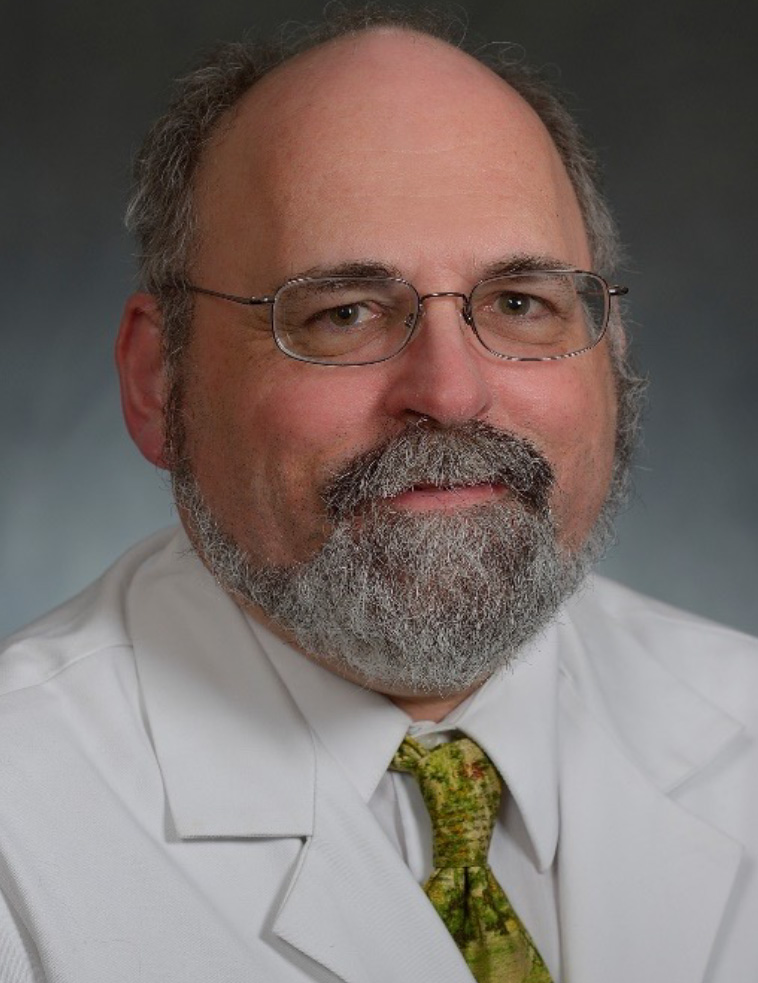
Corey J. Langer, MD, FACP
Director of Thoracic Oncology
Abramson Cancer Center
Professor of Medicine
Perelman School of Medicine
University of Pennsylvania
Philadelphia, PA
Dr. Langer is a Professor of Medicine at the University of Pennsylvania, Perelman School of Medicine, where he serves as Clinical Director of Thoracic Oncology in the Abramson Cancer Center. Professor Langer received his medical degree from Boston University in 1981 and completed his residency in medicine at the Graduate Hospital, University of Pennsylvania, and his hematology/oncology fellowship at Presbyterian University of Pennsylvania and Fox Chase Cancer Center in 1987.
Professor Langer served in the Oncology division of Fox Chase Cancer Center from 1986–2008, leading its Thoracic Oncology Program from 1994–2008. He moved to the University of Pennsylvania in 2008, where he currently leads clinical research efforts in thoracic malignancy as part of the Interdisciplinary Thoracic Oncology Program (I-TOP) and conducts research studies focused on the role of targeted therapy and immunotherapy in NSCLC. He also co-directs the Thoracic Translational Center of Excellence, where he concentrates on the clinical end of bench to bedside projects.
Professor Langer is Co-Chair of the Medical Oncology Committee for NRG Cooperative Oncology Group and serves on the core thoracic committees of both NRG and ECOG. Professor Langer is a Fellow of the American College of Physicians and is a member of the American Society of Clinical Oncology (ASCO), the American Association for Cancer Research (AACR) and the International Association for the Study of Lung Cancer (IASLC). Since 2016, he has been Editor-in-Chief of the International Lung Cancer News (ILCN) under the aegis of the IASLC.
For the past 34 years, since completing his fellowship, Professor Langer has led or co-led over 140 clinical trials in both small cell (SCLC) and non-small cell lung cancer (NSCLC), as well as mesothelioma and head and neck cancer. Professor Langer has contributed numerous articles and abstracts to the medical literature and is the author or co-author of over 270 peer-reviewed papers.
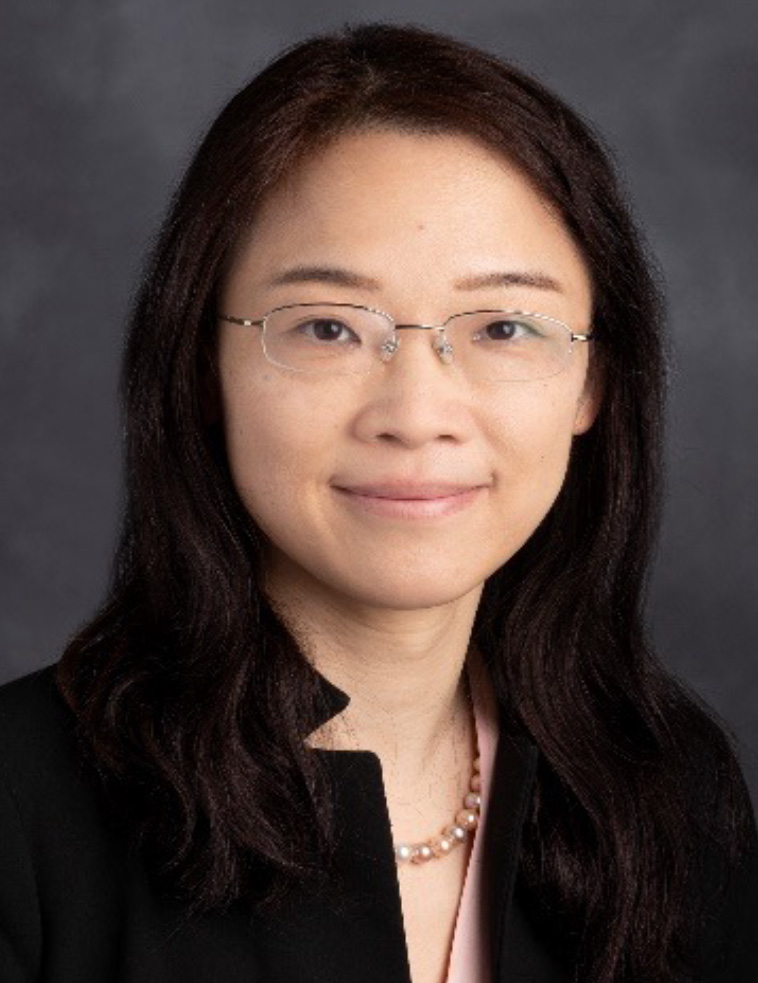
Xiuning Le, MD, PhD
Associate Professor,
Department of Thoracic/Head and Neck Medical Oncology,
Division of Internal Medicine,
The University of Texas MD Anderson Cancer Center,
Houston, TX
As Associate Professor in the Thoracic/Head and Neck department, Dr. Le has contributed her knowledge via trials, clinical journals and lectures with focus non-small cell lung cancer with actionable oncogenes.
Dr. Le earned her medical degree from the Peking Union Medical College. She then went on to earn a degree in Biological and Biomedical Sciences at Harvard Medical School in Boston. She completed her internship and residency at The University of Massachusetts Medical Center in Worcester, MA, an additional residency at the University of Texas. Prior to joining the staff at M.D. Anderson, she also completed a fellowship at Beth Israel Deaconess Medical Center, Harvard Medical School. Board certified in both internal medicine and medical oncology, Dr. Le specializes in thoracic, head, and neck oncology.
Dr. Le has published more than 40 articles in the field of lung and head and neck cancer. She was first- or last author of many high-impact papers, including New England Journal of Medicine, Cancer Discovery, Clinical Cancer Research and Journal of Thoracic Oncology.
Just recently Dr. Le received the ASCO Young Investigator Award, SU2C-TVF Convergence Program, Claudia Adams Barr for Innovative Cancer Research, ASCO Career Development Award, Paul Calabresi NIH K12 Award and more.
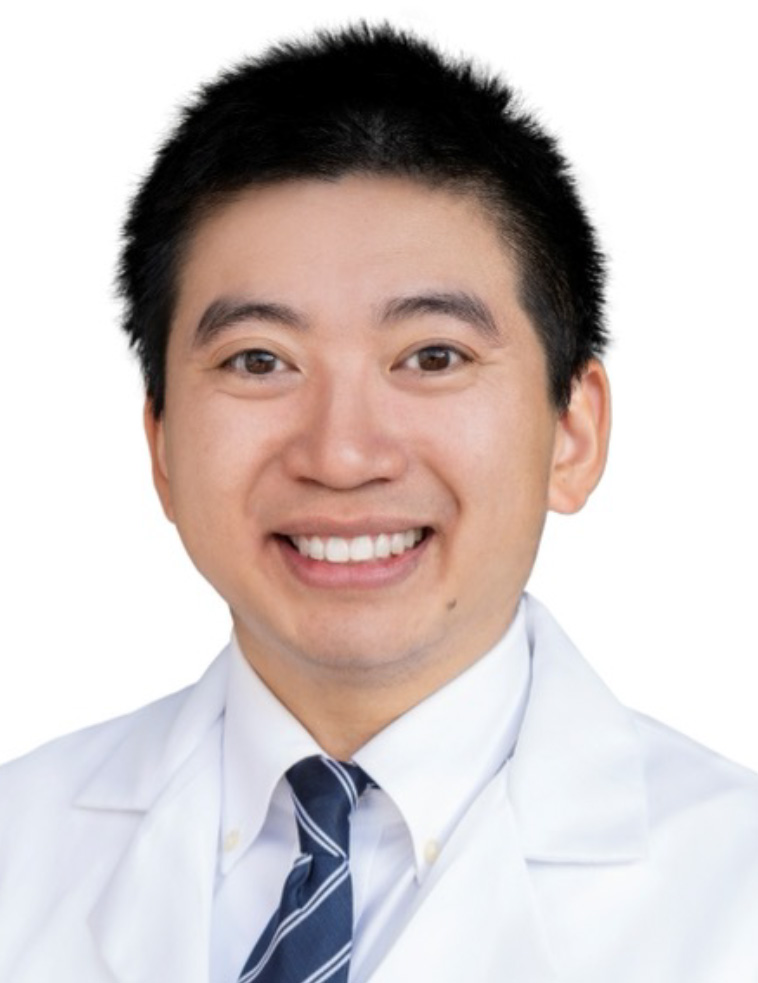
Matthew Lee, MD, MPH
Assistant Professor,
Thoracic Medical Oncology,
Department of Medical Oncology and Therapeutics Research,
Associate Member in Developmental Cancer Therapeutics (DCT) program,
City of Hope Comprehensive Cancer Center-Duarte,
Duarte, CA
Matthew Lee, M.D., MPH, is an assistant professor of medical oncology at City of Hope® Cancer Center Duarte, specializing in diagnosing and treating patients with lung cancer, including small cell lung cancer. His commitment to compassionate, patient-centered care is deeply rooted in his personal experience with cancer in his family, shaping his approach to individualized treatment plans for every patient.
Dr. Lee earned his medical degree from the State University of New York (SUNY) Downstate Medical School and completed an internal medicine residency at Hofstra University’s Northwell North Shore University Hospital. He further honed his expertise with a fellowship in hematology/oncology at the Albert Einstein College of Medicine/Montefiore Einstein Comprehensive Cancer Center. He also holds a Master of Public Health (MPH) in Epidemiology from SUNY Downstate, reflecting his strong interest in public health, socioeconomic determinants of health, and real-world data utilization.
His research focuses on targeted therapies, antibody-drug conjugates, cellular therapies, immunotherapy, and liquid biopsies (ctDNA) for risk stratification and diagnosis. He is actively involved in ECOG-ACRIN, ETCTN, Hoosier Cancer Research Network, and the Small Cell Lung Cancer Consortium.
An active researcher, Dr. Lee has published over a dozen peer-reviewed articles, contributed to multiple clinical trials, and participated in global health initiatives in Thailand, Uganda, and Honduras. His contributions to lung cancer research have been recognized with awards from the International Association for the Study of Lung Cancer.
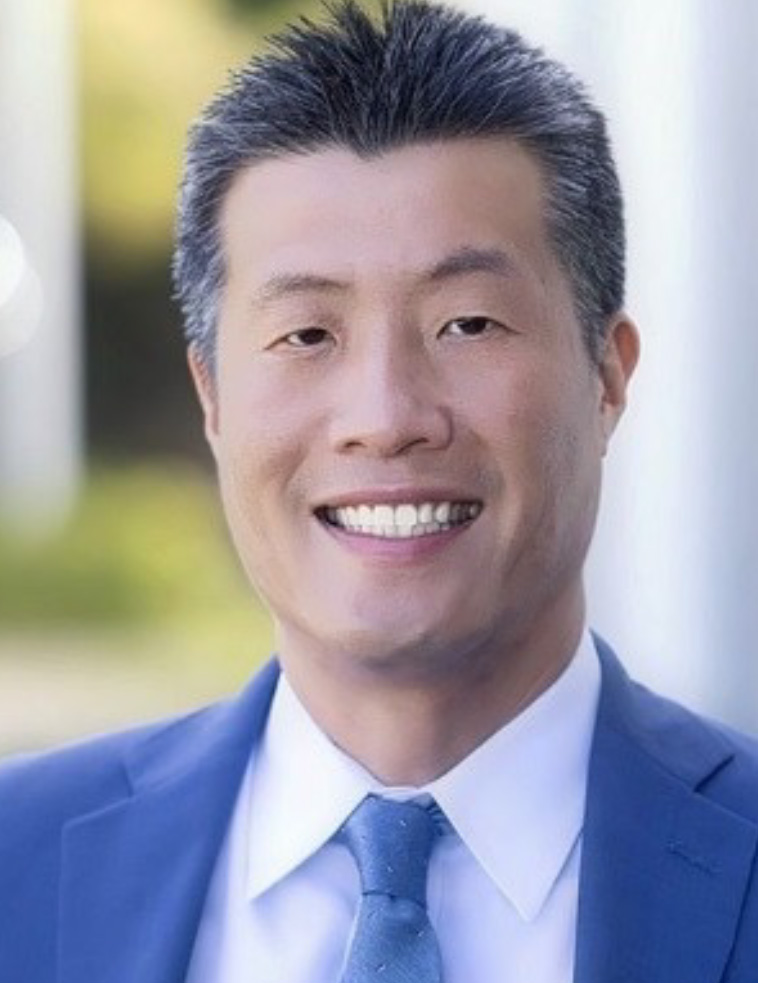
Percy Lee, MD, FASTRO
Medical Director
City of Hope
Department of Radiation Oncology
Irvine, CA
Dr. Lee is Professor and system-wide Vice-Chair for Clinical Research in radiation oncology at City of Hope National Medical Center (Los Angeles County, Orange County, Atlanta, Chicago, and Phoenix). In addition, he serves as the Medical Director for Orange County and the Coastal Regions in the Department of Radiation Oncology at City of Hope National Medical Center (City of Hope Orange County, Lennar Foundation Cancer Center in addition to 3 other radiation oncology network sites in the region). Previously, he served as Section Chief for Thoracic Radiation Oncology at MD Anderson Cancer Center (MDACC) from 2019-2022, and Executive Section Chief for the Department of Radiation Oncology at MDACC from 2021-2022. Dr. Lee started his career at UCLA (2008-2019) where he rose to the rank of Professor and Vice Chair for Education for the Department of Radiation. At UCLA, he served as Chief of Thoracic Radiation Oncology, Residency Training Program Director, and Director of the Stereotactic Body Radiation Therapy Program (SBRT), a program he founded in 2008. He is an internationally recognized subject matter expert and thought leader in the clinical applications of SBRT. He has over 220 peer-reviewed publications on the clinical use, evidence for, and application of SBRT in the clinic. Dr. Lee has an international reputation in the treatment of thoracic and GI malignancies. He pioneered novel radiosurgery and SBRT technologies such as MRI-guided radiation therapy in the clinic with more than 55 peer-reviewed publications on this subject. He led the clinical implementation of MRI-guided radiation therapy program at UCLA as the 3rd site in the world with this innovation. In addition, he is a clinical trialist who is interested in combining novel radiation therapy approaches with new drugs to achieve improved outcomes in thoracic malignancies. He has served on various leadership roles within national organizations such as ASTRO, RSS, ABR, and ARS.
Dr. Lee was born and grew up in Taipei Taiwan until the age of 9 and has family throughout the island.
Natasha Leighl, MD, MMSc, FRCPC, FASCO
Lead Medical Oncologist
Clinician Investigator
Clinical Research Unit (CCRU)
Princess Margaret Cancer Centre
Professor
Department of Medicine
University of Toronto
Toronto, ON, Canada
Dr. Natasha Leighl leads the Thoracic Medical Oncology Group at the Princess Margaret Cancer Centre, and is Professor in the Department of Medicine, and Adjunct Professor in the Institute of Health Policy, Management and Evaluation at the University of Toronto. She holds the OSI Pharmaceuticals Foundation Chair in Cancer New Drug Development through the Princess Margaret Cancer Foundation. After receiving her MD from the University of Toronto, Canada, Dr. Leighl completed residencies in internal medicine at the University of Calgary and in medical oncology at the University of Toronto. She subsequently completed her fellowship in thoracic oncology at the Princess Margaret Hospital, Canada and a fellowship in clinical oncology at the University of Sydney, Australia. She received her Masters in Medical Science (MMSc) in clinical epidemiology at the University of Newcastle, Australia. Dr Leighl’s main interest is in developing new treatments in lung cancer and improving lung cancer diagnostics. She is involved in clinical studies of novel agents for the treatment of thoracic cancers, has led several international and cooperative group studies in lung cancer and has served as a member of the Lung Disease Site Group Executive of the Canadian Cancer Clinical Trials Group. She was Co-Chair of the CCTG Committee on Economic Analysis, Congress Co-President of the 2018 WCLC, and serves on multiple committees including the ASCO Thoracic Guidelines Advisory Group, is co-section editor of The Oncologist and Current Oncology, an editorial board member of the Journal of Thoracic Oncology, British Journal of Cancer, a member of the IASLC Quality and Value Committee, on the Scientific Advisory Board of the Lung Cancer Foundation of America, and was recently elected to the Board of Directors of the Americas Health Foundation.
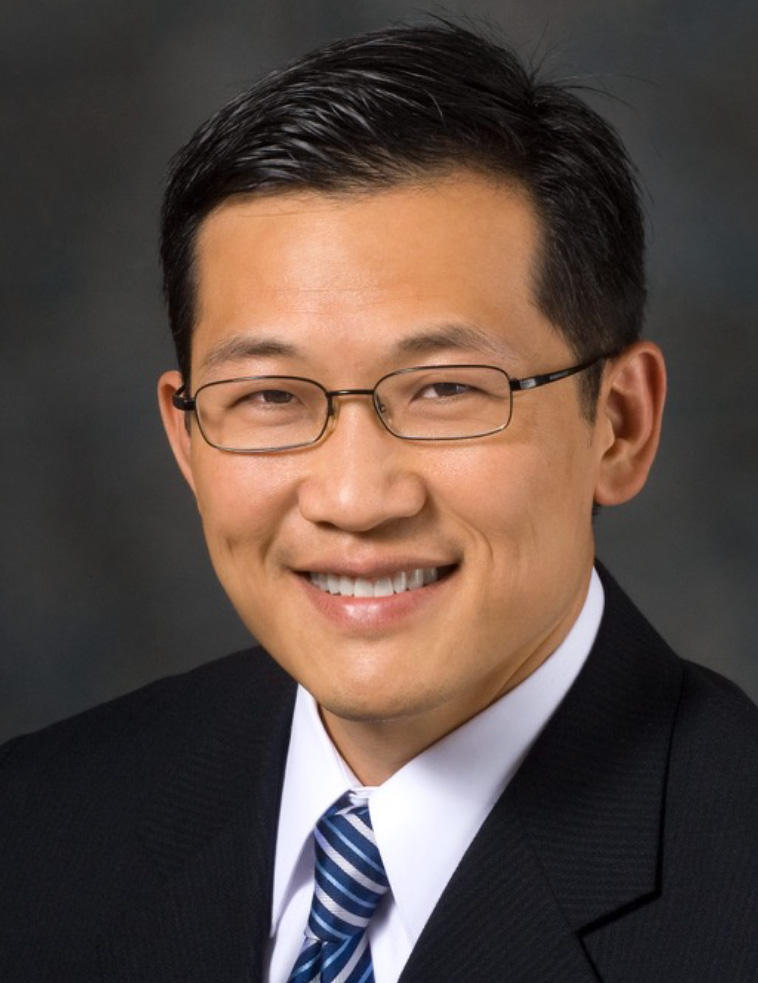
Steven H. Lin, MD, PhD
Professor
Department of Radiation Oncology
Division of Radiation Oncology
The University of Texas MD Anderson Cancer Center
Houston, TX
Dr. Steven Lin received his medical training in the MD/PhD program at The University of California Irvine Medical School and Residency Training in Radiation Oncology at The Sydney Kimmel Cancer Institute at Johns Hopkins. He is currently a tenured Professor and Director of Research in the Department of Thoracic Radiation Oncology at MD Anderson Cancer Center. He is a Physician Scientist with his clinical practice directed at thoracic cancers and oversees several clinical trials including the use of proton beam therapy for esophageal cancer and in the combination of immunotherapy with radiotherapy in lung and esophageal cancers. Dr. Lin’s lab focuses on novel approaches that enhance radiotherapy and immunotherapy combinations in lung cancer that could be translated to innovative clinical trials. Dr. Lin also directs a translational research team that evaluates biomarkers for early cancer diagnosis and treatment response and disease outcomes after cancer therapy.
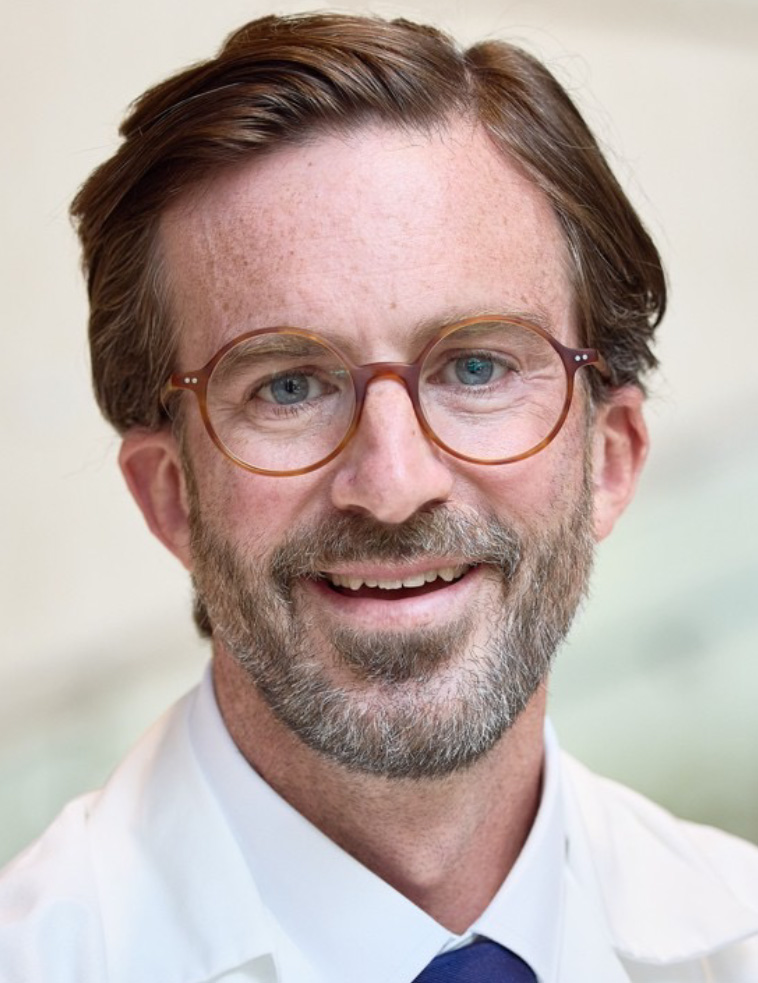
Thomas U. Marron MD, PhD
Director, Early Phase Trials Unit
Associate Director, Tisch Cancer Center
Professor of Medicine, Hematology & Oncology
Professor of Immunology & Immunotherapy
Icahn School of Medicine at Mount Sinai
New York, NY
Thomas Marron MD PhD is the Director of the Early Phase Trials Unit (EPTU) and Associate Director for Translational Research at the Tisch Comprehensive Cancer Center. He is also a Professor of Immunology and Immunotherapy as well as Professor of Medicine, Hematology and Medical Oncology at Icahn School of Medicine at Mount Sinai. He holds a PhD in immunology and is a practicing thoracic medical oncologist. His research program focuses on development of novel immunotherapies and combinatorial therapeutic approaches for solid tumors. Alongside EPTU he leads a translational oncology bench-to-bedside-to-bench program in partnership with Miriam Merad and her laboratory focused on developing novel therapeutic approaches, and repurposing available biological therapies.
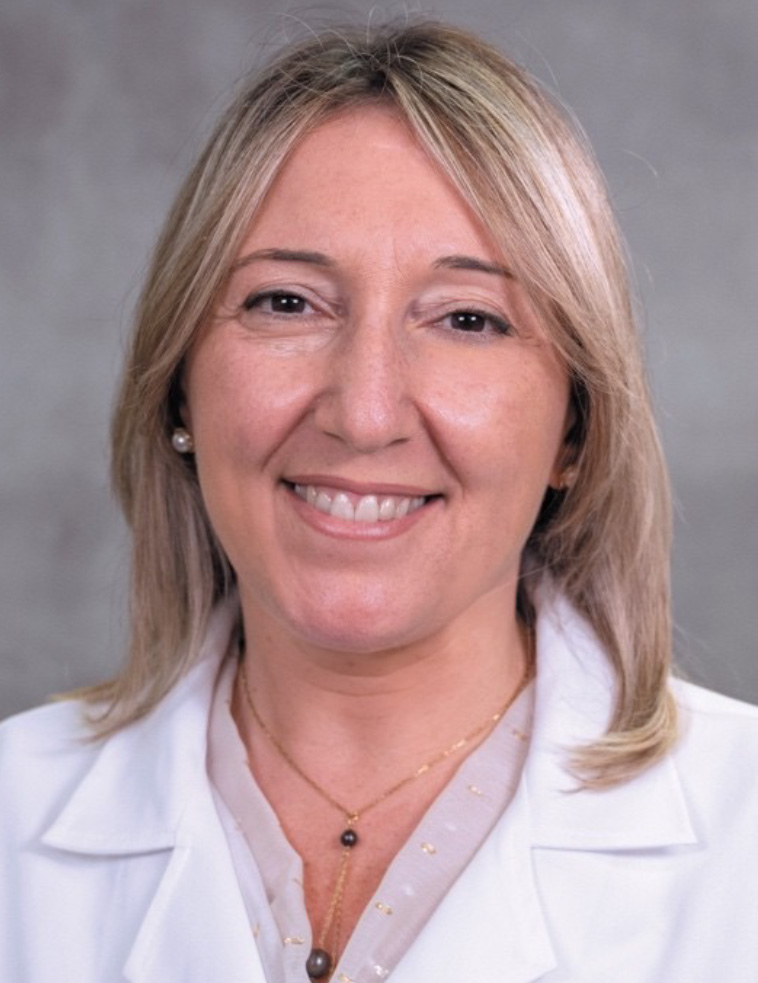
Erminia Massarelli, MD, PhD, MS
Professor
Division Chief Hematology/Oncology,
University of Texas Health East Texas
Tyler, TX
Dr. Erminia Massarelli, MD, PhD, MS, is Chief of Oncology and Hematology at the UT Health East Texas HOPE Cancer Center and Division Chief of Oncology and Hematology in the Department of Internal Medicine at the UT Tyler School of Medicine. She earned her Master of Science in Biomedical Sciences from The University of Texas Health Science Center at Houston, her PhD in Molecular Oncology and Endocrinology from the University of Naples Federico II, and her MD from the University of Naples Federico II. Dr. Massarelli completed her Internal Medicine residency at Methodist Hospital in Houston, followed by clinical fellowships in Medical Oncology at both MD Anderson Cancer Center and the University of Naples Federico II, and a postdoctoral fellowship in Thoracic/Head & Neck Medical Oncology at MD Anderson Cancer Center.
Her research focuses on thoracic malignancies, particularly lung and head & neck cancers, with an emphasis on translational studies and the development of targeted and immunotherapeutic strategies. She co-directs the Lung Cancer and Thoracic Oncology Program and leads investigator-initiated and cooperative-group trials in mesothelioma and other thoracic tumors. Dr. Massarelli’s honors include the Society for Immunotherapy of Cancer Team Science Award (2020), Top Doctors recognition by Pasadena Magazine (2017), the Jeffrey Lee Cousins Fellowship in Lung Cancer Research (2012–2013), and the ASCO Conquer Cancer Foundation Young Investigator Award (2011–2012). She has authored numerous peer-reviewed publications and serves on national advisory panels for thoracic oncology research.
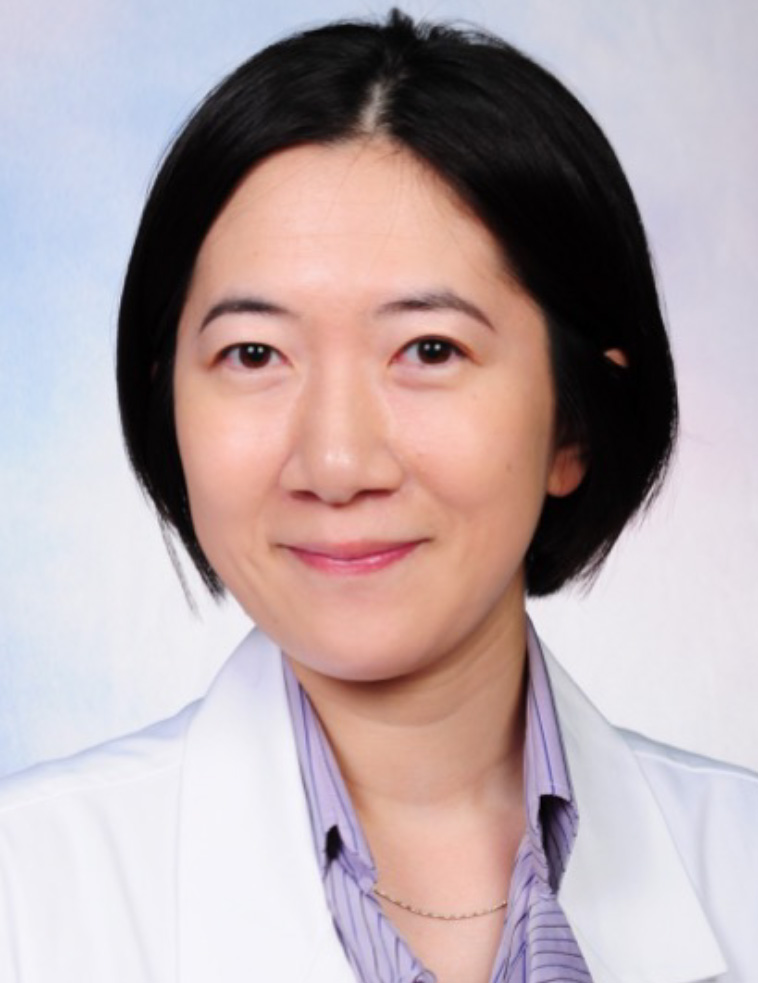
Misako Nagasaka, MD, PhD
Associate Professor
Division of Hematology/Oncology
Department of Medicine
University of California Irvine School of Medicine
Orange, CA
Misako Nagasaka, MD, PhD is an Associate Professor in Thoracic Oncology for the Division of Hematology/Oncology, Department of Medicine at the University of California Irvine. She completed her residency in Internal Medicine at Beth Israel Medical Center in NYC and fellowship at Karmanos Cancer Institute in Detroit. Her clinical and research interests are in molecular targeted therapy and immunotherapy in thoracic malignancies, with a special focus in medical ethics. She has more than 160 publications including the New England Journal of Medicine, Nature Medicine, the Journal of Clinical Oncology and the Journal of Thoracic Oncology. She has experience serving as the site principal investigator (PI) for over 20 interventional trials (and has served as a sub-investigator for a number of studies) and enjoys collaborating with other researchers across the country and around the world.
Abdul Rafeh Naqash, MD, FASCO
Associate Professor of Medicine
OU Health Stephenson Cancer Center
University of Oklahoma
Oklahoma City, OK
Abdul Rafeh Naqash, MD, is an internationally recognized medical oncologist and clinical investigator specializing in thoracic oncology, early-phase clinical trials, translational biomarker research, and cancer immunotherapy. He currently serves as Senior Associate Director for AI and Data Science at the OU Health Stephenson Cancer Center at the University of Oklahoma Health Sciences. As part of the TSET phase 1 program at Stephenson Cancer Center, Dr. Naqash is focusing on drug development and incorporating a genomically driven approach to early-phase clinical trials. He is also interested in lung cancer, immunotherapy biomarkers, and the patterns of resistance to immunotherapy and immune toxicities.
Dr. Naqash completed his fellowship in Hematology and Oncology at East Carolina University and a phase 1 fellowship at the NCI, Bethesda. Prior to that, he earned his medical degree from Government Medical College in Srinagar, Kashmir.
An innovative leader in early drug development, Dr. Naqash is a frequent speaker at national conferences, including ASCO and SITC, and serves on multiple national trial committees. He is currently a member of the ASCO Scientific Committee and the ASCO Lung Guideline Committee. He is also the recipient of prestigious National and International awards, including the 40 Under 40 in Cancer, the NIH Director’s Award, the NCI Director’s Award, and the 2026 American Society of Clinical Investigation Young Physician-Scientist Award. He has also received several awards from ASCO, including the 2020 YIA, 2021 Allen Lichten Endowed Merit Award, and, more recently, the Conquer Cancer 2025 CDA.
Deeply committed to mentoring and advancing academic medicine, Dr. Naqash actively trains the next generation of trainees and engages in national advocacy on behalf of international medical graduates. Dr. Naqash brings a collaborative and visionary approach to personalized cancer care, integrating cutting-edge science with compassionate patient care and multidisciplinary innovation.
Matthew Oser, MD, PhD
Associate Professor of Medicine
Dana-Farber Cancer Institute
Harvard Medical School
Boston, MA
Matthew G. Oser MD, PhD, is an Associate Professor of Medicine at Harvard Medical School and a medical oncologist at Dana-Farber Cancer Institute in the Lowe Center for Thoracic Oncology. Dr. Oser completed his undergraduate studies at Oberlin College and received his MD and PhD degrees from the Albert Einstein College of Medicine. He completed a residency in Internal Medicine at Brigham and Women’s Hospital followed by a fellowship in Medical Oncology at the Dana-Farber Cancer Institute/Mass General Brigham where he did his postdoctoral research with Dr. William G. Kaelin Jr. Dr. Oser is a member of the American Society of Clinical Investigation and has received several awards including a Damon Runyon Clinical Investigator Award, a Lung Cancer Research Foundation Career Development Award, a NIH K08 Career Development Award, and an R37 MERIT award. Dr. Oser has been invited to give national and international seminars at several academic institutions and conferences and has published his research in several high impact journals including Nature, Cancer Cell, Nature Cell Biology, and Cancer Discovery. Dr. Oser started his laboratory at the Dana-Farber Cancer Institute in 2019 and is focused on using CRISPR/Cas9 to understand mechanisms that regulate lineage transcription factors and neuroendocrine differentiation in small cell lung cancer (SCLC) and to identify novel targeted therapies for SCLC.
Henry S. Park, MD, MPH
Professor of Therapeutic Radiology
Vice Chair for Clinical Research, Health Services Research, and Faculty Development
Chief of Thoracic Radiotherapy and PET-guided Radiotherapy
Assistant Medical Director, Clinical Trials Office, Yale Cancer Center
Head of Advisory House, Horstmann House, Office of Student Affairs
Yale School of Medicine
New Haven, CT
Dr. Henry S. Park is a board-certified radiation oncologist who serves as professor and vice chair for clinical research, health services research, and faculty development for the Department of Therapeutic Radiology at the Yale School of Medicine. He is also chief of the thoracic radiotherapy program and the PET-guided radiotherapy program for the department. For the Yale Cancer Center, he is an assistant medical director of the Clinical Trials Office, where he also leads the radiation oncology committee and is associate leader of the lung clinical research team. For the medical school’s Office of Student Affairs, he is the head of Horstmann House, one of the six advisory houses for medical and physician associate students. Dr. Park has co-authored over 200 peer-reviewed original research articles, reviews, book chapters, invited editorials, and practice guidelines. He serves as an oral and written boards examiner for the American Board of Radiology, an associate editor for Advances in Radiation Oncology and American Journal of Clinical Oncology, and an active committee member for the American Society for Radiation Oncology, American Radium Society, SWOG, and NRG.
Sandip Patel, MD FASCO
Professor, Medical Oncology, UC San Diego
Deputy Director, Sanford Stem Cell Clinical Center
Co-Leader, Experimental Therapeutics
Co-Leader, Solid Tumor Therapeutics Program
Medical Director, Clinical Research Informatics
UC San Diego Moores Cancer Center
La Jolla, CA
Sandip Patel, MD is a Professor at UCSD and a Medical Oncologist focusing on early phase clinical trials of immunotherapy and thoracic oncology. He is the leader for the Experimental Therapeutics (Phase 1) Program and Deputy Director for the Center for Precision Immunotherapy at UCSD. He is co-leader of the NRG Developmental Therapeutics Committee and co-leader of the University of California Lung Cancer Consortium.
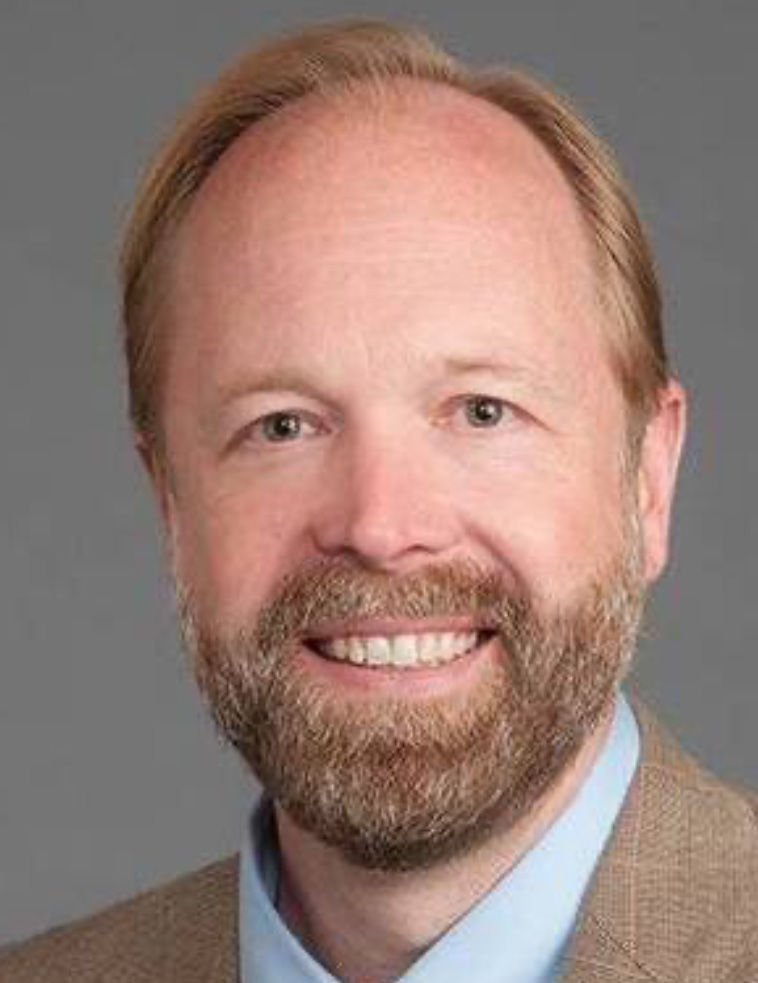
William Jeffrey Petty, MD
Professor of Medicine
Section on Hematology and Oncology
Wake Forest University School of Medicine
Winston-Salem, NC
Dr. William J. Petty, MD, is a Professor of Cancer Medicine and Cancer Biology at Atrium Health Wake Forest Baptist and Wake Forest University School of Medicine in Winston-Salem, NC, where he also serves as Director of the Thoracic Oncology Program within the Wake Forest Comprehensive Cancer Center. . He earned his MD with honors from the University of North Carolina at Chapel Hill School of Medicine in 1998, completed his Internal Medicine residency at Duke University Hospital in 2001, and a fellowship in Medical Oncology at Mary Hitchcock Memorial Hospital (Dartmouth Cancer Center) in 2004. Dr. Petty is board-certified by the American Board of Internal Medicine in both Internal Medicine and Medical Oncology.
His research and clinical interests focus on thoracic malignancies, particularly lung cancer and malignant pleural mesothelioma, with emphasis on translational studies, biomarker development, and novel immunotherapeutic strategies. He has authored numerous peer-reviewed publications, including work on molecular diagnostic panels for precise subtyping of non-small cell lung cancer, and is an active member of the American Society of Clinical Oncology, American Association for Cancer Research, and American College of Chest Physicians
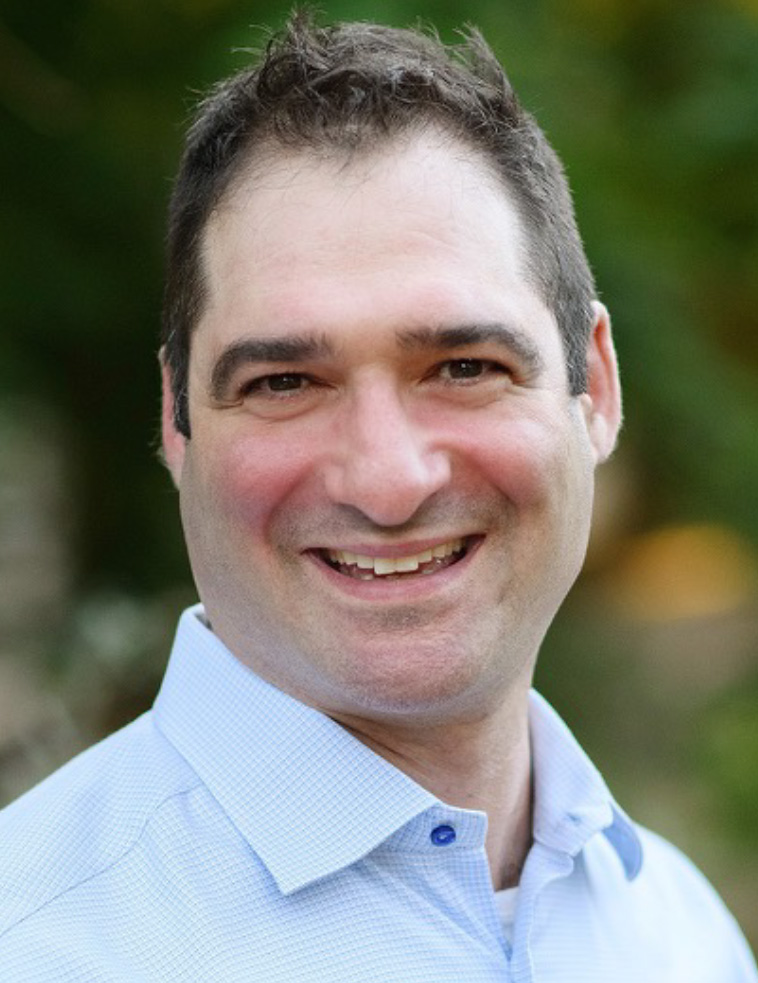
Jonathan W. Riess, MD, MS
Medical Director of Thoracic Oncology
Professor of Medicine
Division of Hematology/Oncology
UC Davis Comprehensive Cancer Center
Sacramento, CA
Dr. Riess is a Professor of Medicine in the Division of Hematology Oncology and Medical Director of Thoracic Oncology at UC Davis Comprehensive Cancer Center (UCDCCC). Dr. Riess’ research interests encompass novel diagnostics, targeted therapies and immunotherapies in lung cancer and other thoracic malignancies. He is the past recipient of the National Cancer Institute Cancer Clinical Investigator Team Leadership Award given to researchers who are working to improve the lives of people with cancer through extensive involvement in NCI-funded collaborative clinical trials and whose leadership, participation and activities promote clinical trials and research. He is also the past (co)recipient of the Addario Lung Cancer Foundation and Van Auken Foundation Young Innovators Team Award.
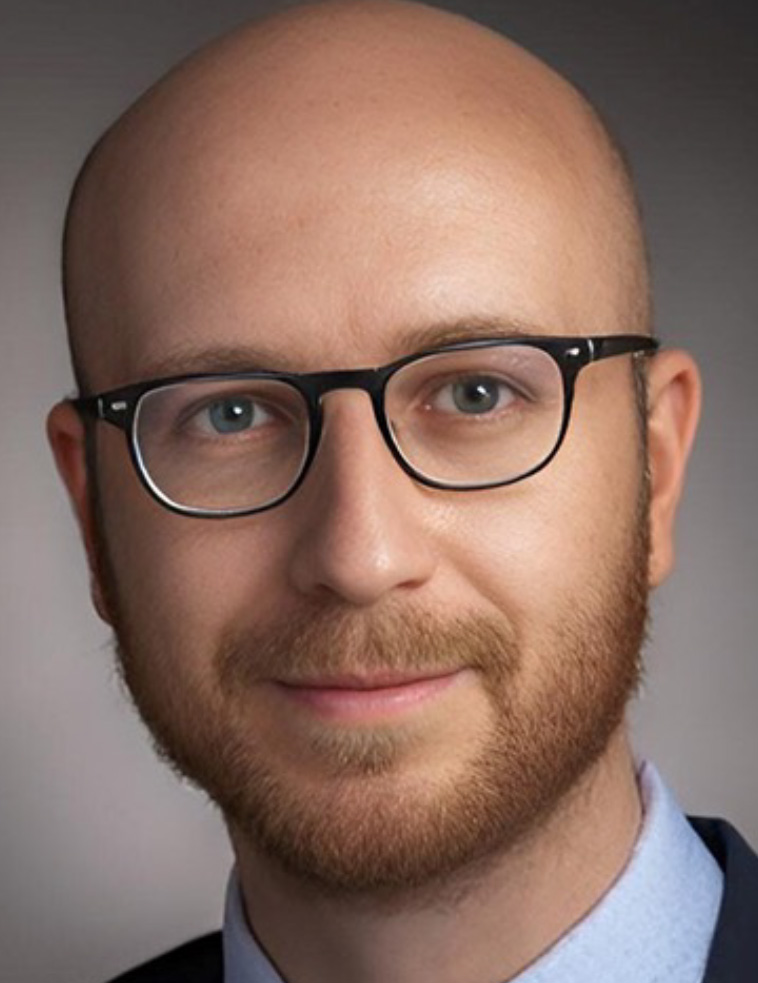
Biagio Ricciuti, MD, PhD
Medical Oncologist
Dana-Farber Cancer Institute
Assistant Professor of Medicine
Harvard Medical School
Boston, MA
Dr. Biagio Ricciuti is a medical oncologist at Dana-Farber Cancer Institute and an Assistant Professor of Medicine at Harvard Medical School. He earned his MD and PhD with training in oncology and translational research, followed by residency in internal medicine and fellowship in medical oncology. At Dana-Farber, he specializes in the care of patients with thoracic malignancies, particularly lung cancer, and is actively involved in academic teaching and clinical training.
Dr. Ricciuti’s research focuses on improving outcomes in lung cancer through translational and clinical investigations, with a particular emphasis on immunotherapy, biomarkers of response, and mechanisms of resistance. He has contributed extensively to the understanding of how genomic alterations influence response to immune checkpoint inhibitors and has authored numerous high-impact publications. His recent work includes studies on co-mutations in non–small cell lung cancer, predictors of immunotherapy efficacy, and strategies to optimize treatment selection in advanced disease.
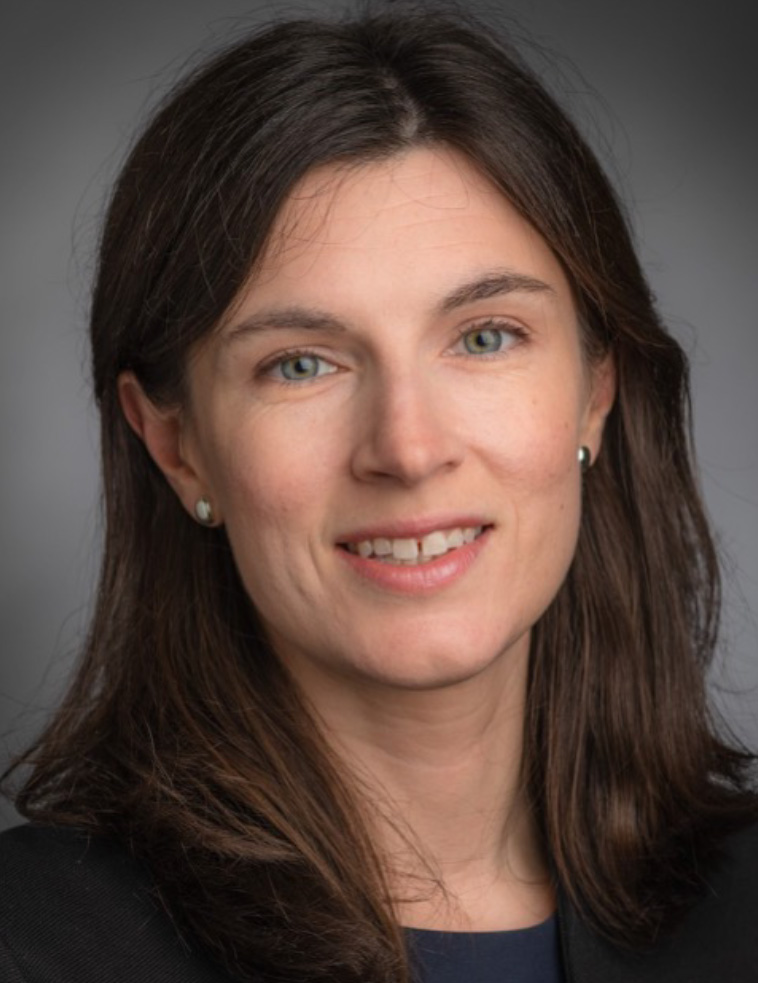
Julia Rotow, MD
Physician
Dana-Farber Cancer Institute
Clinical Director, Lowe Center for Thoracic Oncology
Director of Clinical Research
Assistant Professor of Medicine,
Harvard Medical School
Boston, MA
Dr. Rotow received her MD from the UCLA David Geffen School of Medicine. She completed her residency training in Internal Medicine at the Massachusetts General Hospital and her fellowship training in Hematology/Oncology at the University of California, San Francisco. She practices as a thoracic oncologist at the Dana-Farber Cancer Institute where she is and clinical director of the Lowe Center for Thoracic Oncology and an Assistant Professor at Harvard Medical School. Her research interests include the development of targeted therapies for the treatment of oncogene-driven lung cancer.
Joshua K. Sabari, MD
Assistant Professor
Department of Medicine
NYU Grossman School of Medicine
NYU Langone Health
Director, High Reliability Organization Initiative
Perlmutter Cancer Center
New York, NY
Dr. Sabari is an Assistant Professor of Medicine, Thoracic Medical Oncologist and member of the Phase I Experimental Therapeutics Group in the Department of Medical Oncology at New York University School of Medicine, NYU Langone Health Perlmutter Cancer Center. Dr. Sabari’s research focus includes developing new treatments for people with lung cancers. His goal is to develop biomarker-driven clinical trials that offer patients unprecedented access to novel therapies and personalized treatments.
Assuntina G. Sacco, MD
Professor of Internal Medicine,
Division of Hematology-Oncology
Co-Director,
Hanna and Mark Gleiberman Head and Neck Cancer Center
Disease Team Leader-Head and Neck,
UC San Diego Moores Cancer Center
San Diego, CA
Assuntina G. Sacco, MD is a board-certified medical oncologist and Clinical Professor of Medicine in the Division of Hematology–Oncology at University of California, San Diego (UC San Diego) Moores Cancer Center, where she also serves in leadership roles including medical directorship of infusion services. Dr. Sacco earned her medical degree from the Stritch School of Medicine at Loyola University of Chicago, completed her internal medicine residency at Loyola University Medical Center in Maywood, Illinois, and pursued hematology-oncology fellowship training at the University of Michigan in Ann Arbor, where she was recognized as fellow of the year. At UCSD, she contributes to multidisciplinary patient care and academic training within the hematology–oncology fellowship program.
Dr. Sacco’s clinical expertise centers on the diagnosis and treatment of head and neck cancers, including thyroid and salivary gland malignancies, and she is actively involved in opening and leading clinical trials of novel therapies for these diseases. She has an active research portfolio spanning cancer care delivery, clinical trial development, biomarkers, and strategies to improve treatment outcomes and quality of life, with multiple peer-reviewed publications, including as first author in Lancet Oncology, and presentations at major scientific meetings. Dr. Sacco also contributes to national oncology committees and educational initiatives to advance multidisciplinary cancer care and training.
Ravi Salgia, MD, PhD
Professor and Chair, Department of Medical Oncology & Therapeutics Research
Arthur & Rosalie Kaplan Chair in Medical Oncology
City of Hope
Duarte, CA
Dr. Ravi Salgia earned his PhD and medical degree from Loyola University of Chicago. He then pursued an internship and residency at the Johns Hopkins Hospital in Internal Medicine. Upon completion of his residency, he was a clinical oncology fellow at the Dana-Farber Cancer Institute and a research fellow in the laboratory of Dr. James D. Griffin. Dr. Salgia is currently a medical oncologist at the City of Hope Cancer Center and is the Arthur and Rosalie Kaplan Chair in Medical Oncology. He also works collaboratively within the City of Hope Developmental Cancer Therapeutics Program to develop novel therapies for cancer. Dr. Salgia has over 25 years of accomplishments in translational research and the development of targeted therapies to improve the quality of life and survival of cancer patients, especially as related to small cell lung cancer. His laboratory was the first to identify the role of MET in lung cancer and identify the biological functions of MET and hepatocyte growth factor as well as the potential for novel therapeutic inhibition of this pathway. Dr. Salgia is the co-chief editor of the Journal of Carcinogenesis and is on the editorial advisory board of four other journals. He has authored over 375 peer-reviewed articles, reviews and editorials; one book; and over 30 book chapters.
Jonathan Schoenfeld, MD, MPhil, MPH
Director, Melanoma Radiation Oncology
Director, Head and Neck Radiation Oncology
Senior Physician
Dana-Farber Cancer Institute
Professor of Radiation Oncology
Harvard Medical School
Boston, MA
Dr. Jonathan Schoenfeld is a Professor of Radiation Oncology at Harvard Medical School and an MGB Endowed Cancer Chair. He serves as Director of Head and Neck, Cutaneous, and Melanoma Radiation Oncology at Dana-Farber Brigham Cancer Center, Senior Physician at Dana-Farber Cancer Institute, and Associate Director of Clinical Research in the Department of Radiation Oncology.
Dr. Schoenfeld earned his medical degree from Harvard Medical School following a research fellowship as a Gates Scholar at the University of Cambridge. He completed his medical internship at Memorial Sloan Kettering Cancer Center and residency in radiation oncology within the Harvard Radiation Oncology Program. He also holds a Master of Public Health in Clinical Effectiveness from the Harvard T.H. Chan School of Public Health.
His research involves clinical trials involving radiation and integration with immunotherapy and other novel systemic therapies and innovative radiation techniques. Additionally, he leads trials integrating biomarkers such as circulating tumor DNA that predict response to radiation or immune therapies.
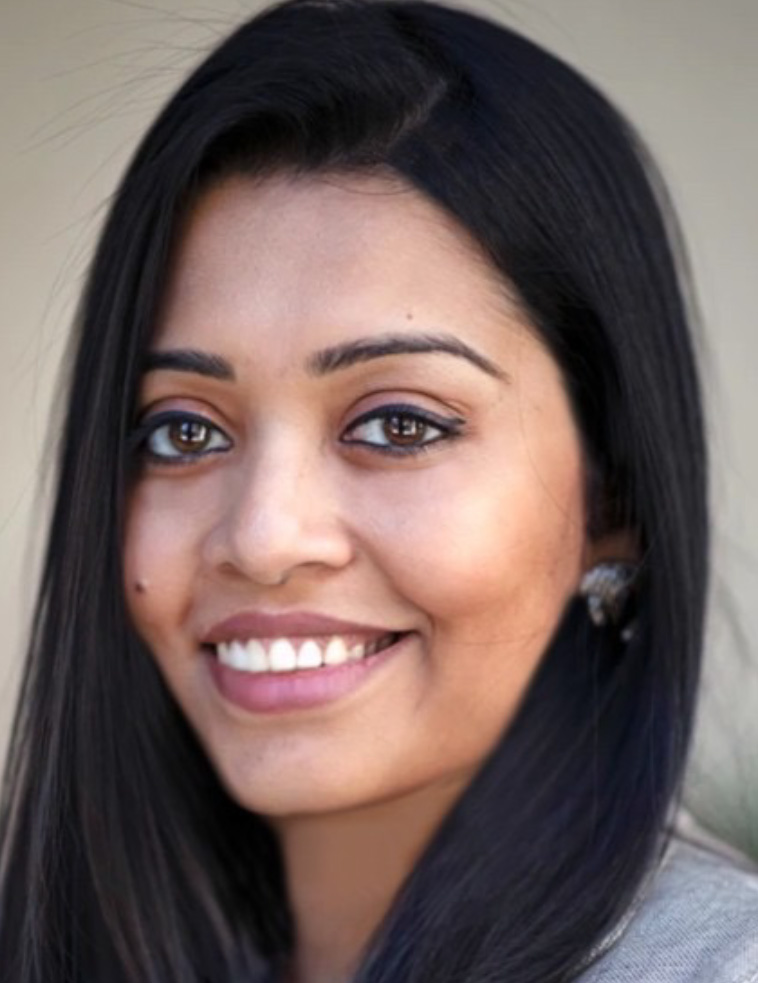
Triparna Sen, PhD
Professor (Tenured)
Max Moore Chair of Cancer Research
Associate Director of Research
Director, Lung Cancer Preclinical Therapeutics Platform
Division of Medical Oncology
Department of Internal Medicine
The Ohio State University
Columbus, OH
Triparna Sen, PhD is Professor in the Department of Internal Medicine, Division of Medical Oncology, at The Ohio State University College of Medicine and a faculty member of the OSUCCC – James Comprehensive Cancer Center. She earned her PhD in cancer biology and completed advanced postdoctoral training in translational cancer research, with a focus on thoracic malignancies. Dr. Sen holds joint appointments in multiple research programs at Ohio State and is actively involved in mentoring graduate students, postdoctoral fellows, and early-career investigators.
Dr. Sen’s research centers on the molecular biology and therapeutic vulnerabilities of lung cancer, particularly small cell lung cancer (SCLC). Her laboratory integrates functional genomics, epigenetics, and preclinical models to identify novel targets and resistance mechanisms, with the goal of translating discoveries into new treatment strategies. She has published extensively in high-impact journals and has received multiple competitive research awards, including NIH and foundation funding. Her work has significantly advanced understanding of lineage plasticity, transcriptional dependencies, and novel combination approaches in aggressive lung cancers.
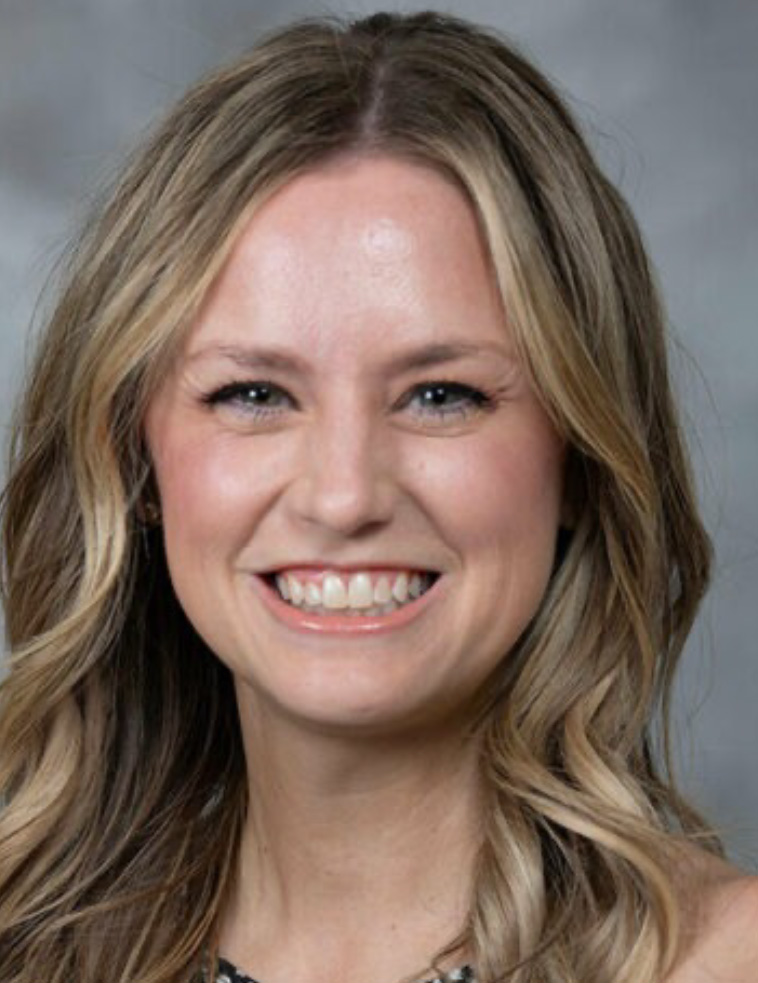
Misty D. Shields, MD, PhD
Assistant Professor of Medicine, Indiana University School of Medicine
Adjunct Assistant Professor of Medical & Molecular Genetics
Associate Member, Experimental and Developmental Therapeutics
Department of Medicine, Division of Hematology/Oncology, Thoracic Oncology
Indiana University Melvin & Bren Simon Comprehensive Cancer Center
Indianapolis, IN
Dr. Misty D. Shields, M.D., Ph.D., is an Assistant Professor of Clinical Medicine in the Department of Medicine, Division of Hematology/Oncology, at Indiana University School of Medicine and an Associate Member of the Indiana University Melvin & Bren Simon Comprehensive Cancer Center in Indianapolis. She earned her Ph.D. in Immunology from the University of Texas Southwestern Medical Center in 2011, completed a Post-doctoral Fellowship there in 2012, followed by an Internal Medicine residency at Vanderbilt University Medical Center in 2019, and a Medical Oncology fellowship at the University of South Florida/Moffitt Cancer Center in 2022. She received her M.D. from the University of Texas Health Science Center at Houston McGovern Medical School in 2016.
Her research is driven by a personal commitment to improve outcomes in small-cell lung cancer (SCLC), inspired by her father’s loss to the disease. As a translational physician-scientist, she investigates mechanism-derived combination therapies, most notably the synergistic pairing of APR-246 with MCL-1 inhibitors and leads efforts to translate these findings into investigator-initiated clinical trials. . She was awarded an IASLC International Lung Cancer Foundation research fellowship and collaborates closely with basic scientists and clinicians to identify and address areas of unmet need in SCLC. Her work has been published in peer-reviewed oncology journals, and she continues to advance novel therapeutic strategies aimed at transforming the standard of care for this aggressive malignancy.
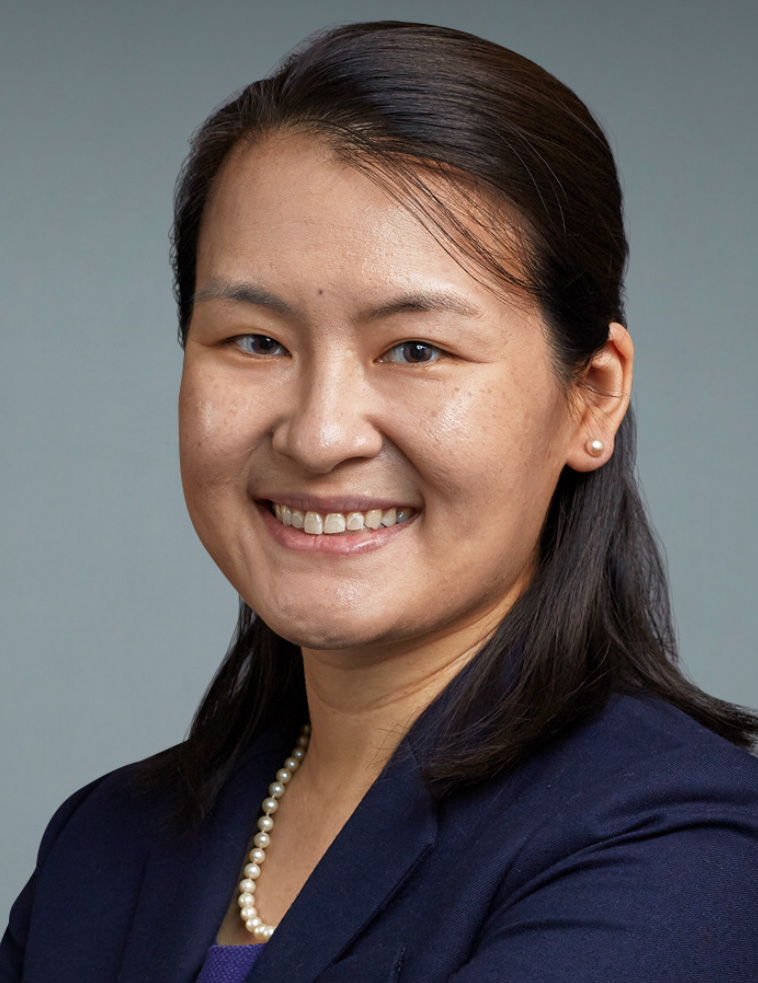
Elaine Shum, MD
Assistant Professor
Department of Medicine
NYU Grossman School of Medicine
New York, NY
Dr. Elaine Shum, MD, is an Assistant Professor in the Department of Medicine at NYU Grossman School of Medicine and an Attending Medical Oncologist at NYU Langone Health’s Perlmutter Cancer Center in New York City. She earned her MD with honors from Stony Brook University School of Medicine in 2011, completed her Internal Medicine residency at St. Luke’s–Roosevelt Hospital Center in 2014, and finished her Hematology/Oncology fellowship at Montefiore Medical Center in 2017. Dr. Shum is board-certified in Internal Medicine and Medical Oncology.
Her clinical and research focus is on thoracic malignancies, including non–small cell lung cancer, small cell lung cancer, and malignant mesothelioma, with particular interest in biomarker-driven targeted therapies and immuno-oncology trials. . She serves as Director of the Cancer Screening Programs at Perlmutter Cancer Center and is principal investigator on early-phase studies such as a Phase 1/2 first-in-human trial of the selective EGFR inhibitor BLU-701 in advanced EGFR-mutant lung cancer. Dr. Shum has authored over 40 peer-reviewed publications, including a pooled analysis of datopotamab deruxtecan in EGFR-mutated NSCLC, and contributed to more than 50 clinical research studies to date.
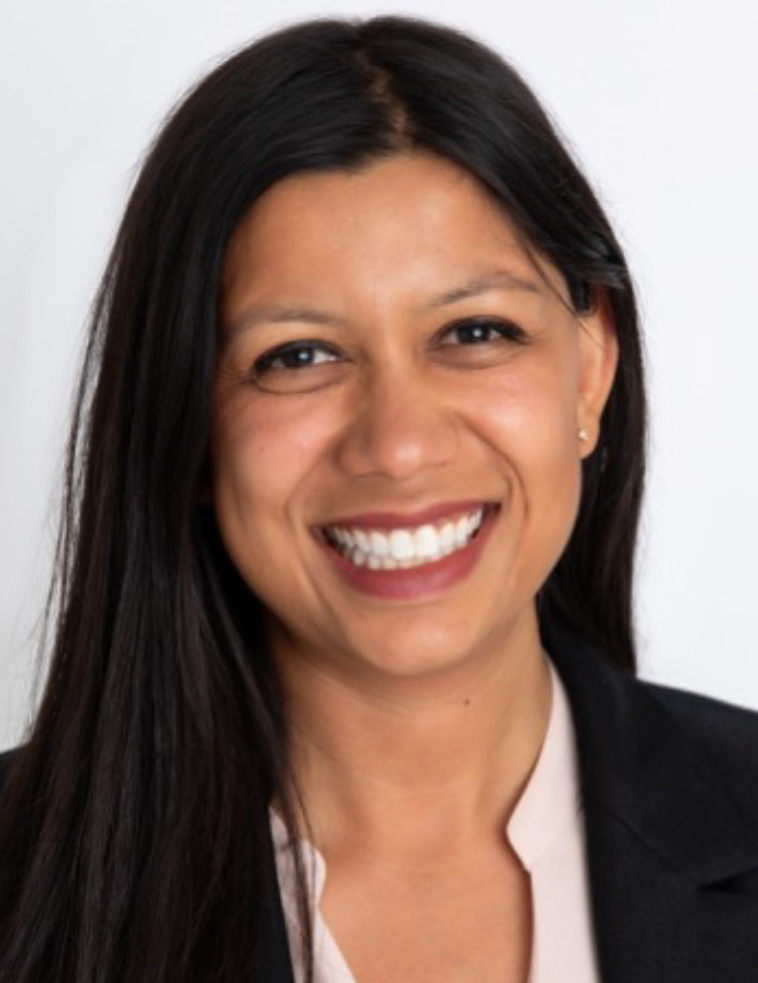
Surbhi Singhal, MD
Assistant Professor of Medicine, Clinical-X series
Division of Hematology and Oncology
University of California Davis, Comprehensive Cancer Center,
Sacramento CA
Dr. Singhal is a medical thoracic oncologist at the UC Davis Comprehensive Cancer Center and Assistant Professor in the Division of Hematology/Oncology at UC Davis. Her research focuses on biomarker development and novel therapeutic strategies for thoracic malignancies, especially among older adults. She is the past participant of the National Institute on Aging Butler Williams Scholars Program, and she currently serves on the Analytics Core for the Cancer and Aging Research Group and the Young Committee for the International Society of Liquid Biopsy.
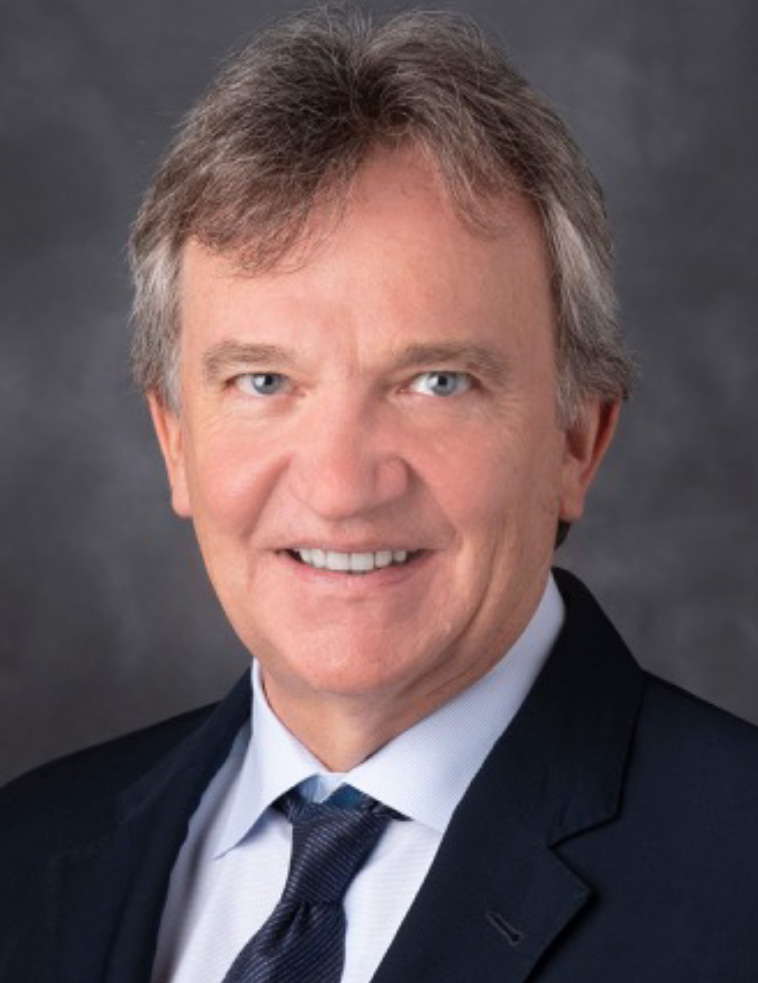
Stephen Swisher, MD, FACS
Professor
Charles A. LeMaistre Distinguished Chair in Thoracic Oncology
Division Head, Division of Surgery
Department of Thoracic and Cardiovascular Surgery
The University of Texas MD Anderson Cancer Center
Houston, TX
Stephen Swisher, MD is Division Head of Surgery, the Charles A. LeMaistre Distinguished Chair in Thoracic Oncology and Professor in the Thoracic and Cardiovascular Surgery Department at MD Anderson Cancer Center. His research interests include neoadjuvant and oligometastatic lung cancer trials as well as selective organ preservation approaches in esophageal cancer.
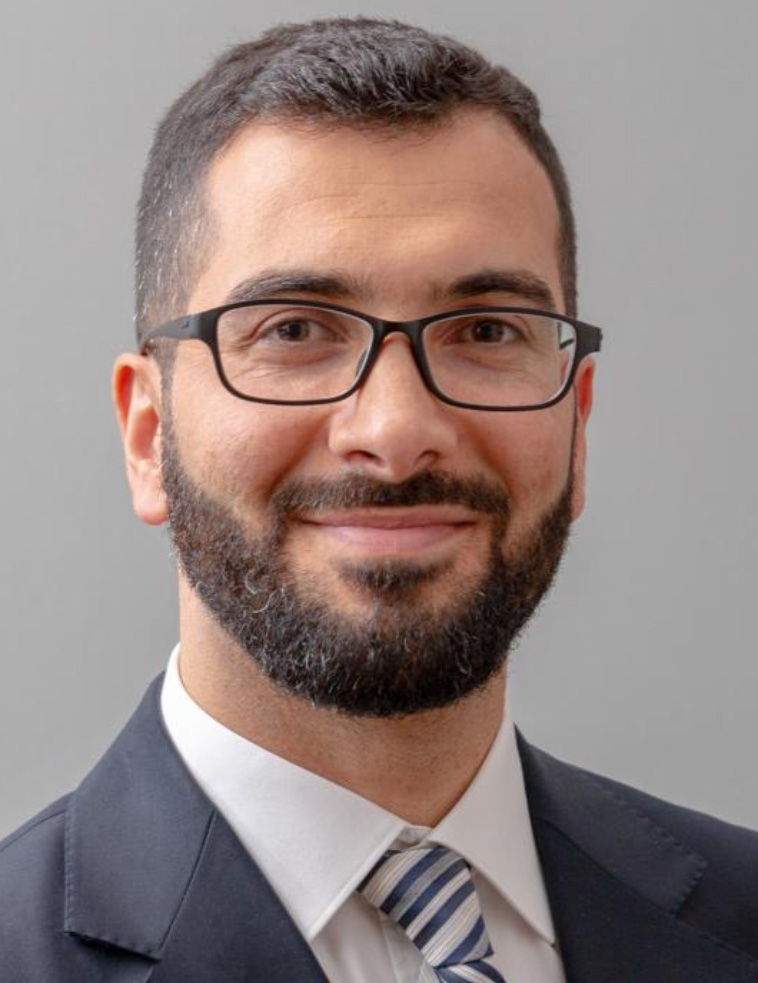
Umit Tapan, MD
Thoracic oncologist
Boston Medical Center (BMC)
Assistant professor of Medicine
Boston University Chobanian & Avedisian School of Medicine
Boston, MA
Dr. Umit Tapan is a thoracic medical oncologist at Boston Medical Center and an Assistant Professor of Medicine at the Boston University Chobanian & Avedisian School of Medicine. He focuses on the treatment of lung cancer, with particular emphasis on precision oncology, immunotherapy, and improving equitable access to molecular testing and clinical trials for underserved populations. Dr. Tapan’s research aims to address racial and socioeconomic disparities in lung cancer care, including treatment delivery, molecular testing, and clinical trial enrollment.
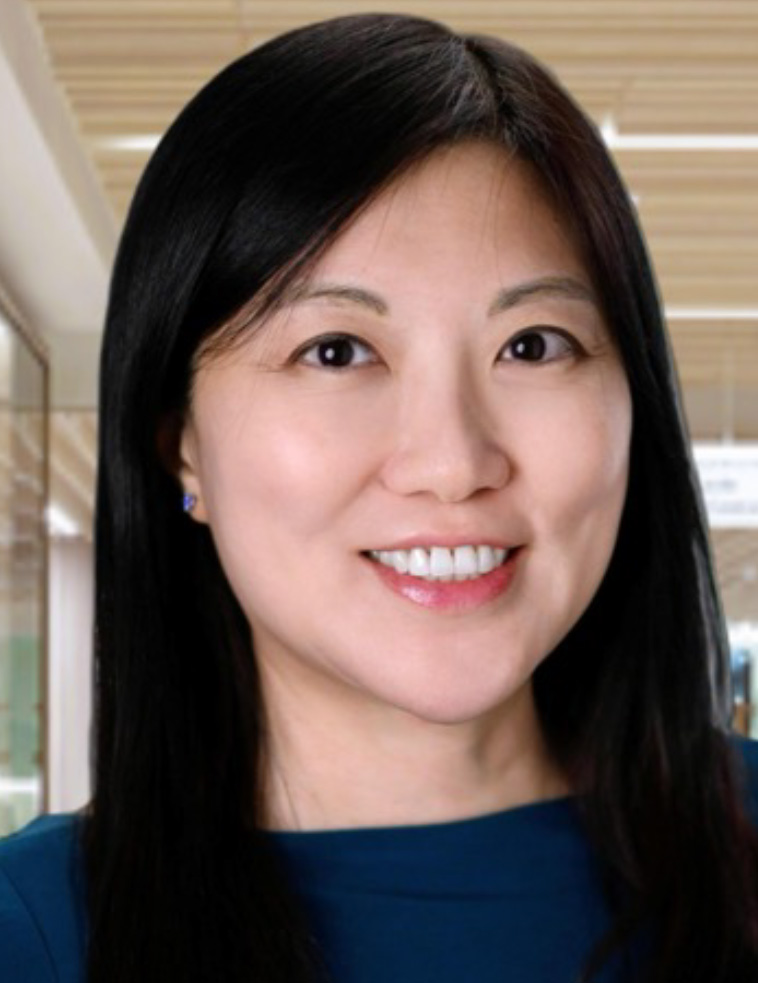
Chiaojung Jillian Tsai, MD, PhD, MS
Associate Professor
Department of Radiation Oncology, University of Toronto
Princess Margaret Cancer Centre, University Health Network
Toronto, Canada
Dr. Jillian Tsai is a Staff Radiation Oncologist at Princess Margaret Cancer Centre and Associate Professor in the Department of Radiation Oncology at the University of Toronto. She leads the Allan and Ruth Kerbel Palliative Radiation and Oligometastases Program (PROP) and also serves as the Medical Director of Princess Margaret Cancer Registry. Prior to joining Princess Margaret Cancer Centre in September 2022, she practiced radiation oncology at Memorial Sloan Kettering Cancer Center in New York City from 2014 to 2022. Dr. Tsai completed residency training at MD Anderson Cancer Center after receiving her MD degree from Vanderbilt University. In addition, she holds a PhD degree in Cancer Epidemiology from Stanford University. Her research interests include biomarker-driven clinical trials and population-based studies.
Dr. Tsai is a recipient of several prestigious grants and awards, including the Eleanor Montague Distinguished Resident Award in Radiation Oncology by American Association for Women Radiologists, Steven A. Leibel Memorial Award by American Society for Radiation Oncology, and Till and McCulloch Paper of the Year at Princess Margaret Cancer Centre.
James J. Urbanic, MD
Professor
Vice Chair, Academic Affairs
UCSD Chief Program Manager, California Protons Cancer Therapy Center
Medical Director – UCSD Radiation Oncology, North County
Co-lead UCSD Lung Cancer Disease Team
Department of Radiation Medicine and Applied Sciences
UC San Diego Health
Encinitas, CA
Dr. James Urbanic, MD is a Professor of Clinical Radiation Medicine and Applied Sciences at the University of California San Diego and a board-certified radiation oncologist with UC San Diego Health, serving as medical director of Radiation Oncology Services in Encinitas and the UCSD Proton Therapy Program. He earned his medical degree from the Medical University of South Carolina and completed his residency in radiation oncology at Wake Forest University Baptist Medical Center, where he later led lung cancer, breast cancer and body radiosurgery programs before joining UC San Diego. At UCSD, Dr. Urbanic practices advanced radiotherapy and radiosurgery techniques, including intensity-modulated radiation therapy (IMRT), image-guided radiation therapy (IGRT), stereotactic radiosurgery (SRS), stereotactic body radiation therapy (SBRT), and proton therapy.
Dr. Urbanic’s research focuses on improving outcomes for patients with lung cancer, breast cancer and other solid tumors through cutting-edge radiotherapy and radiosurgical approaches, as well as symptom management in oncology. He has developed and led physician education courses in radiosurgery and SBRT techniques and participates on national committees that shape clinical trial development in thoracic and other malignancies. Additionally, Dr. Urbanic has published extensively in peer-reviewed journals on topics including proton therapy, re-irradiation strategies, and stereotactic techniques, underscoring his contributions to both clinical practice and academic advances in radiation oncology.
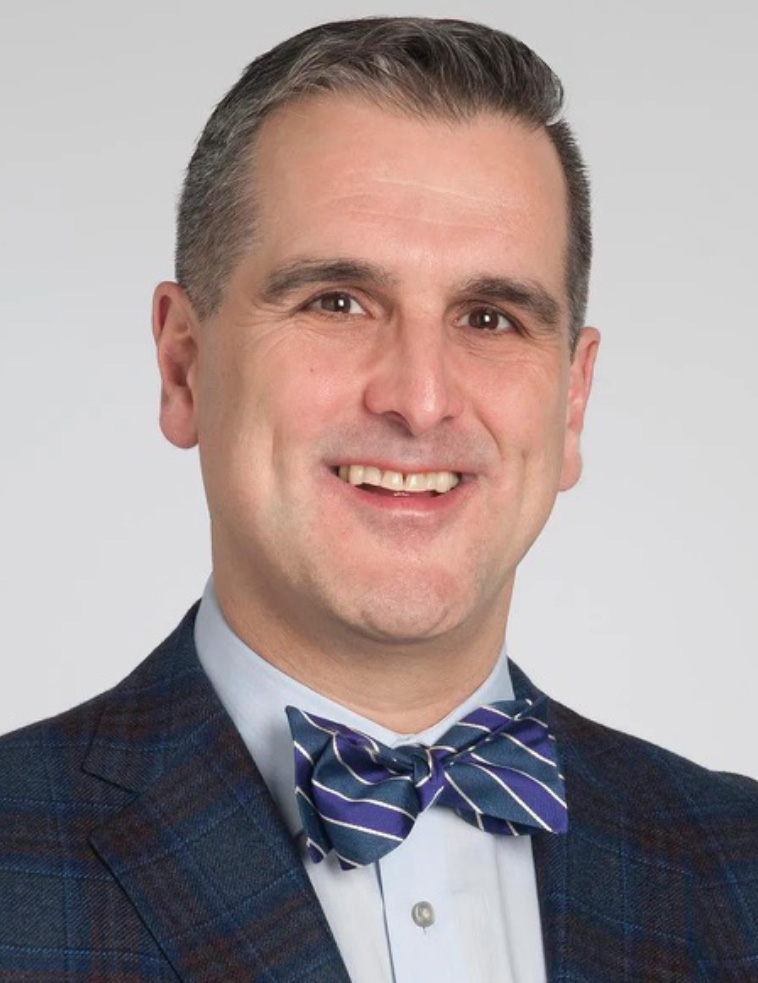
Gregory Videtic, MD
Professor
Section Head for Thoracic Malignancies
Department of Radiation Oncology
Cleveland Clinic
Cleveland, OH
Gregory M. Videtic, MD, CM, FRCPC is a Section Head for Thoracic Malignancies and Residency Program Director in the Department of Radiation Oncology at Cleveland Clinic in Cleveland, Ohio, where he practices at the Main Campus and Hillcrest Hospital. He earned his medical degree from McGill University Faculty of Medicine in Montreal, Canada, and completed residency training in radiation oncology at the University of Western Ontario Schulich School of Medicine & Dentistry. Dr. Videtic also completed a clinical research fellowship in geriatrics and a CNS radiosurgery/brachytherapy fellowship at Wayne State University and has held faculty and staff positions at leading cancer centers including the London Regional Cancer Centre and Dana-Farber Cancer Institute. He is board-certified in radiation oncology and has over 35 years of clinical practice experience.
Dr. Videtic’s clinical interests focus on thoracic radiation oncology, with expertise in stereotactic body radiotherapy (SBRT), altered fractionation, radiosensitizers, radioprotectants, and management of treatment toxicity for lung, esophageal, and pleural malignancies. In addition to his clinical leadership, he contributes to residency education and program development and has been recognized for teaching excellence. Dr. Videtic is active in professional societies including the American Society for Therapeutic Radiation Oncology, American Society of Clinical Oncology, and the International Association for the Study of Lung Cancer.
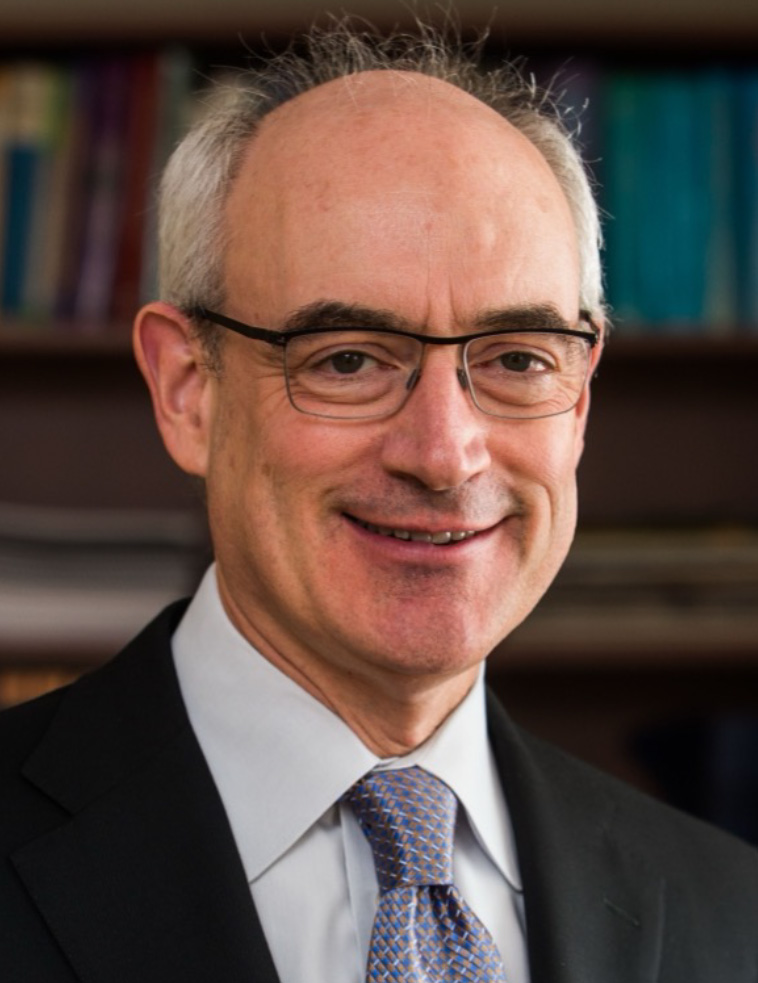
Everett E. Vokes, M
John E. Ultmann Distinguished Service Professor
Chair, Department of Medicine
Physician-in-Chief,
University of Chicago Medicine and Biological Sciences
Chicago, IL
Everett Vokes, MD, is the John E. Ultmann Distinguished Service Professor and Chair of the Department of Medicine at the University of Chicago, and physician-in-chief at the University of Chicago Medicine
Dr. Vokes earned his medical degree at the University of Bonn Medical School in Bonn, Germany. He completed his clerkship at St Luke’s Hospital in Sydney, Australia, and an internship at Malteser Hospital in Bonn. He completed his internship and residency in internal medicine at the Ravenswood Hospital Medical Center in Chicago, a senior residency in internal medicine at the University of Southern California-Los Angeles County Hospital, and a fellowship in hematology-oncology at the University of Chicago.
A clinical and translational investigator, Dr. Vokes focuses on the biology and treatment of lung and head and neck cancers and the interaction of chemotherapy and radiation and integration of targeted and immune-based agents. He established the intellectual and clinical basis of national trials investigating concomitant chemoradiotherapy and other approaches to providing multispecialty care and leads clinical and translational investigations both at the university and nationally.
Dr. Vokes is a member of professional organizations including the American Society of Clinical Oncology, the American Association for Cancer Research, and the International Association for the Study of Lung Cancer, among others. He is an elected member of the American Society of Clinical Investigation and American Association of Professors and serves on the editorial boards of several oncology journals and is a reviewer for various publications.
To his credit are more than 80 book chapters and 500 papers published in such journals as New England Journal of Medicine, Journal of Clinical Oncology, Annals of Oncology, and Journal of Thoracic Oncology, to name a few. Dr. Vokes has presented his work at numerous medical congresses.
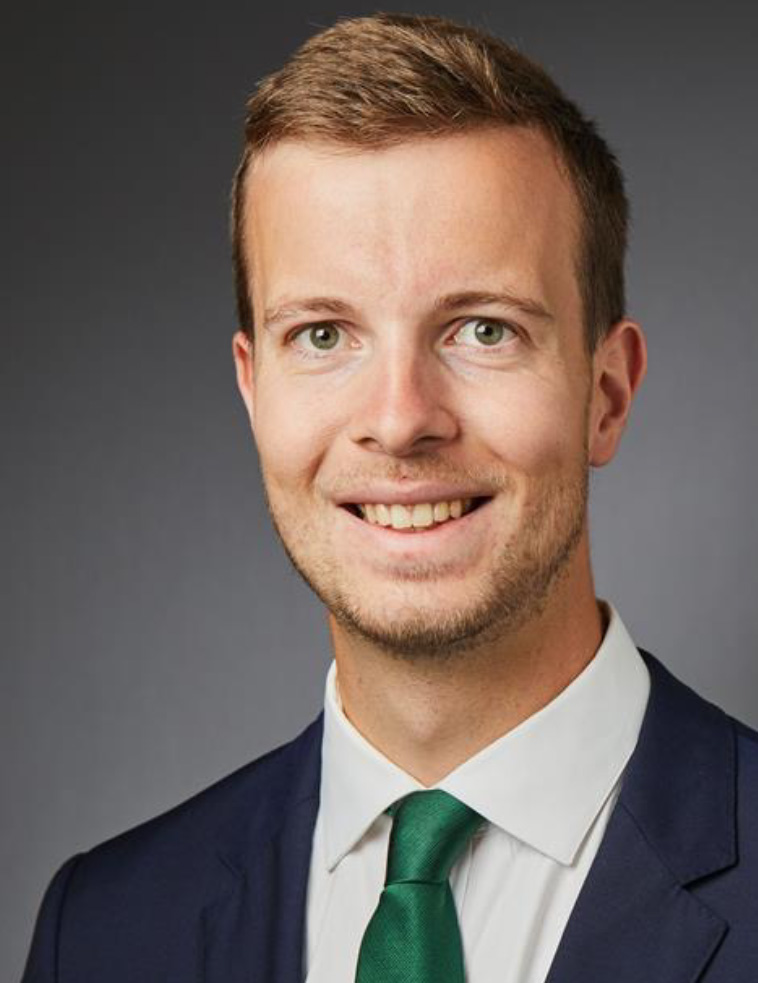
Urs Weber, MD
Assistant Professor
Thoracic Oncology | Division of Medical Oncology
University of Colorado Anschutz Medical Campus
Aurora, CO
A native of Bremen, Germany, Urs Weber earned his BA from Boston University and his MD from Yale School of Medicine. He completed his internal medicine residency at Yale-New Haven Hospital and his hematology/oncology fellowship at University of Colorado Hospital. After graduating from fellowship he joined the faculty at the University of Colorado as a thoracic oncologist. He spends most of his time in the clinic seeing patients with lung cancer and other thoracic malignancies. He dedicates the remainder of his time to clinical research, focusing on clinical trial development and implementation. Outside of work Urs enjoys spending time with his wife, two young sons, and dog. He is an avid runner and cyclist who tries to get out and exercise as much as his busy schedule allows.
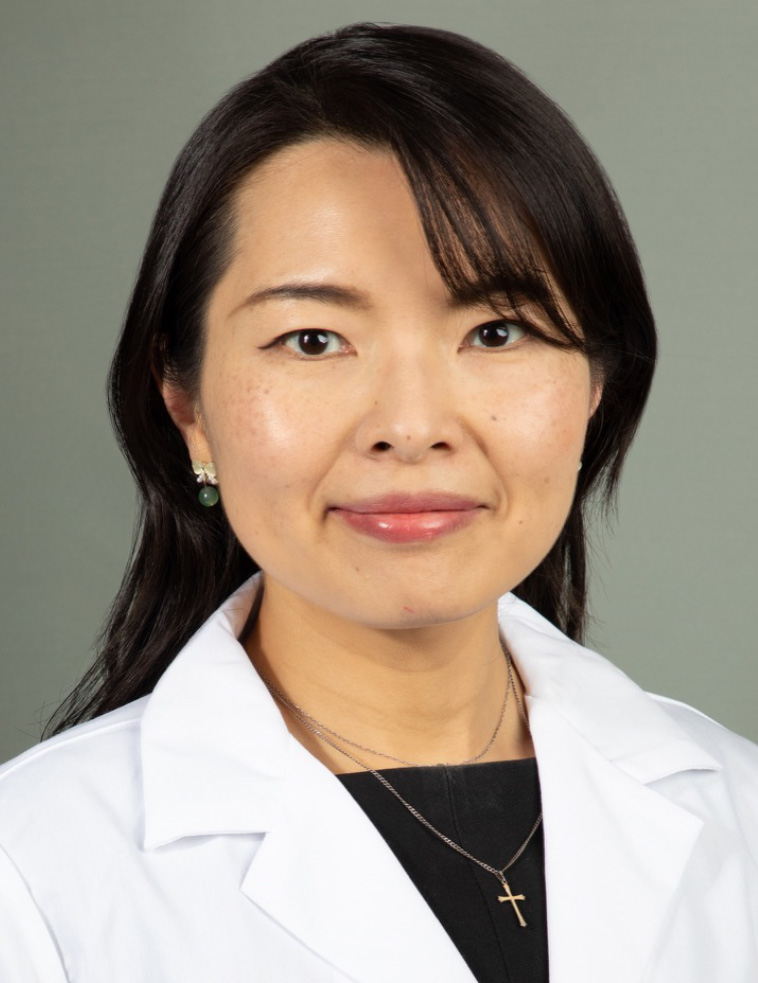
Sulin Wu, MD, PhD, FACMG
Fellow
Section of Hematology and Oncology
UChicago Medicine
Chicago, IL
Dr. Sulin Wu is a medical oncologist in the Section of Hematology/Oncology at the University of Chicago Medicine and a member of the University of Chicago Comprehensive Cancer Center. She received her MD degree from the University of Chicago Pritzker School of Medicine and completed her internal medicine residency at the University of Chicago Medical Center, followed by fellowship training in hematology and medical oncology at the same institution. She is actively involved in clinical care, education, and research, with a focus on thoracic malignancies.
Dr. Wu’s research interests center on lung cancer, including the development and clinical application of novel targeted therapies and immunotherapy strategies. She is involved in clinical trials evaluating emerging agents and combination approaches for non–small cell lung cancer, with particular interest in biomarker-driven treatment selection and resistance mechanisms. Through her clinical research and academic work, Dr. Wu is committed to advancing personalized care and improving outcomes for patients with thoracic cancers.
Bingnan Zhang, MD, MBA
Assistant Professor
Thoracic/Head and Neck Medical Oncology
The University of Texas MD Anderson Cancer Center
Houston, TX
Dr. Bingnan Zhang is a thoracic medical oncologist and an assistant professor in the Department of Thoracic Head and Neck Medical Oncology at MD Anderson Cancer Center. Her research interests include studying biomarkers, lineage plasticity, and novel therapies in thoracic malignancies. Specifically, in small cell lung cancer, high-grade neuroendocrine carcinomas, and transformed SCLC from NSCLC. She is the principal investigator on several novel T-cell engagers, CAR T cells, radioligands, and ADCs in the SCLC/high-grade neuroendocrine carcinoma space and conducts translational research. Dr. Zhang obtained her MD/MBA degrees from Yale University, completed international medicine training at UCLA, and completed a hematology/oncology fellowship at MD Anderson.
Jun Zhang, MD
Director of Thoracic Oncology
Houston Methodist Neal Cancer Center
Houston, TX
Dr. Jun Zhang, MD is Director of Thoracic Oncology at the Houston Methodist Neal Cancer Center and an Assistant Professor of Clinical Medicine in Oncology with Houston Methodist Institute for Academic Medicine (affiliated with Weill Cornell Medical College). She earned her medical degree from Hunan Medical University in China, completed her internal medicine residency at New Hanover Regional Medical Center in Wilmington, North Carolina, and subsequently finished her hematology/oncology fellowship at the Brody School of Medicine at East Carolina University. Dr. Zhang joined Houston Methodist in 2018 after previous academic appointments and brings extensive clinical and teaching experience to her roles, including leadership of the Hematology-Oncology Fellowship program.
Dr. Zhang’s research interests center on thoracic malignancies, particularly lung cancer, malignant pleural mesothelioma, and head and neck cancers, with a strong focus on cancer immunotherapy, tumor biology, and clinical trial development to advance innovative treatments. As Director of Thoracic Oncology at Neal Cancer Center, she leads multidisciplinary initiatives and serves as principal investigator or co-investigator on several intergroup lung cancer clinical trials, integrating cutting-edge research with patient-centered care. Her contributions to fellowship training have supported trainees in national presentations and awards, underscoring her commitment to both scientific innovation and education.